CITY HISTORY & DEVELOPMENT
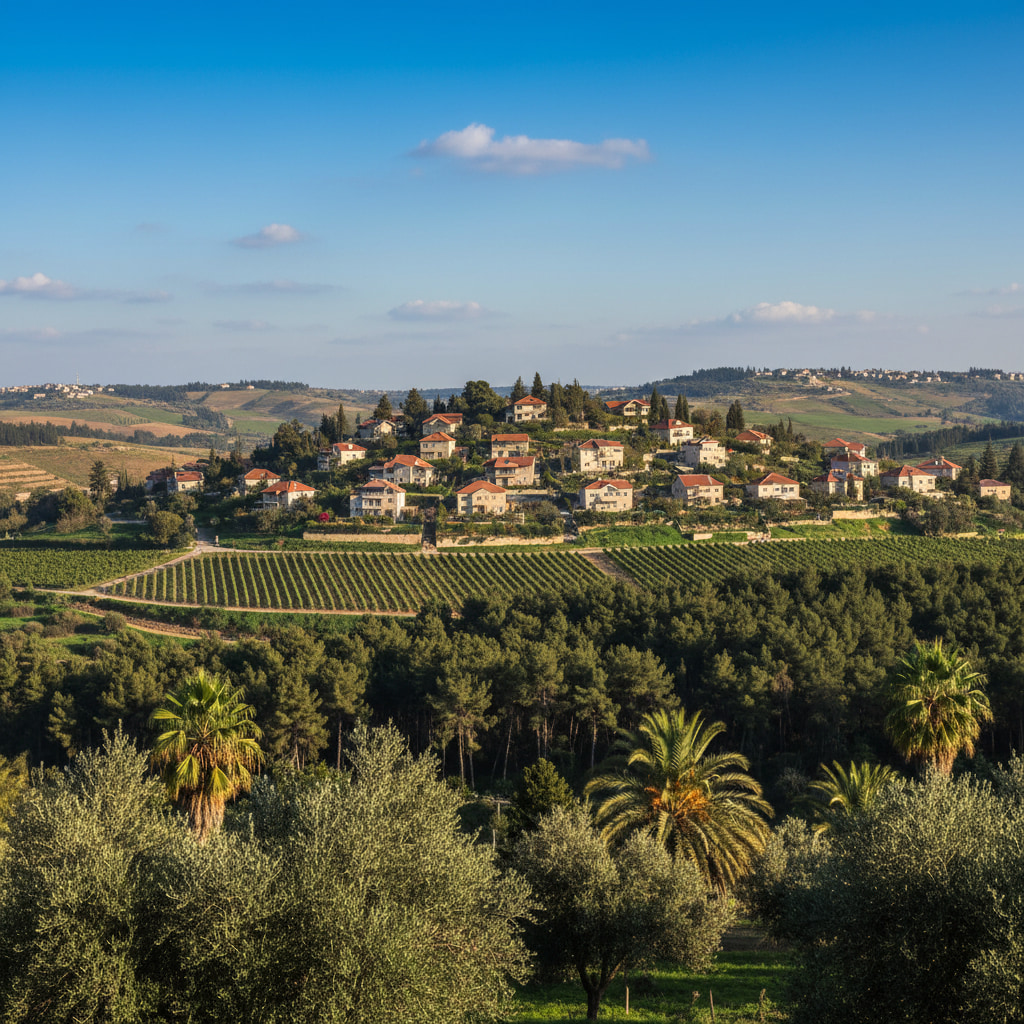
Harish, located in Israel's Haifa District, was initially established as a Nahal settlement in 1982 and transitioned into a kibbutz by 1985. The kibbutz was disbanded in 1993, leading to the development of a new neighborhood intended for career army officers, though it attracted few residents. In 2012, Harish separated from the neighboring town of Katzir, becoming an independent municipality. Significant development began in 2013, with the Israeli government approving plans to expand Harish into a city projected to house 100,000 residents. By May 2022, Harish was officially declared a city.
DEMOGRAPHICS & FAMILY LIFESTYLE
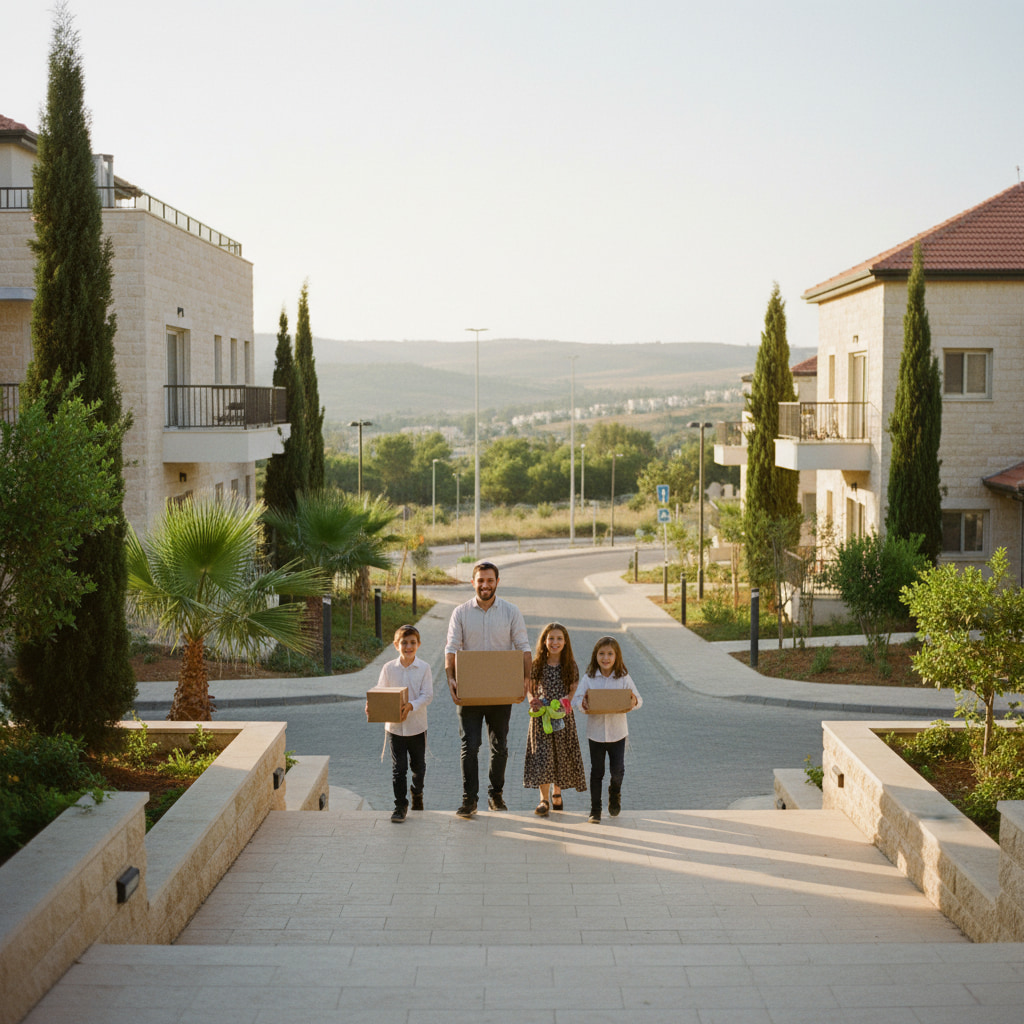
Harish's population exceeded 35,000 residents, with projections to reach 50,000 within the next few years and 100,000 in the next decade. The community is predominantly secular and national-religious, comprising a young demographic with many families and children. In 2022, approximately 10,000 children were enrolled in the city's 19 schools and 134 kindergartens.
REAL ESTATE MARKET OVERVIEW
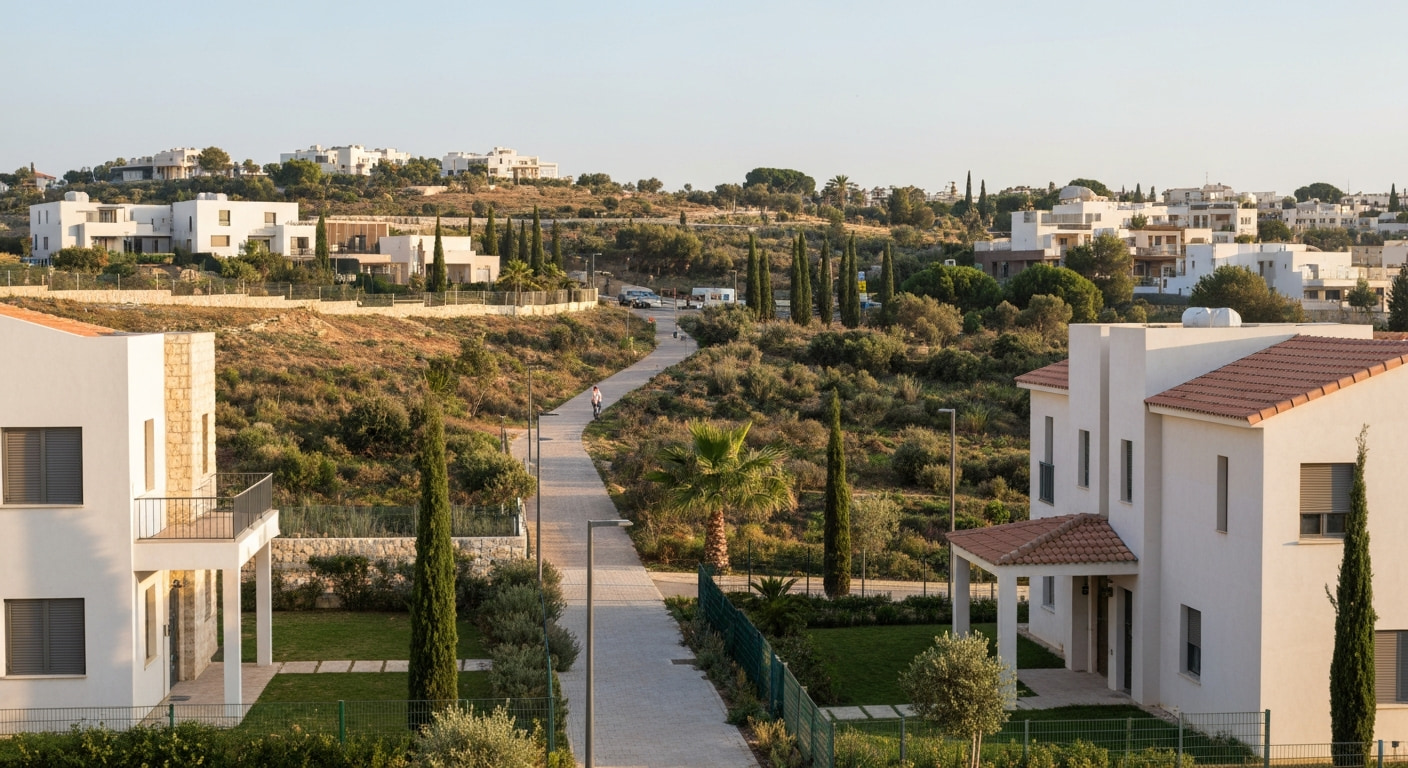
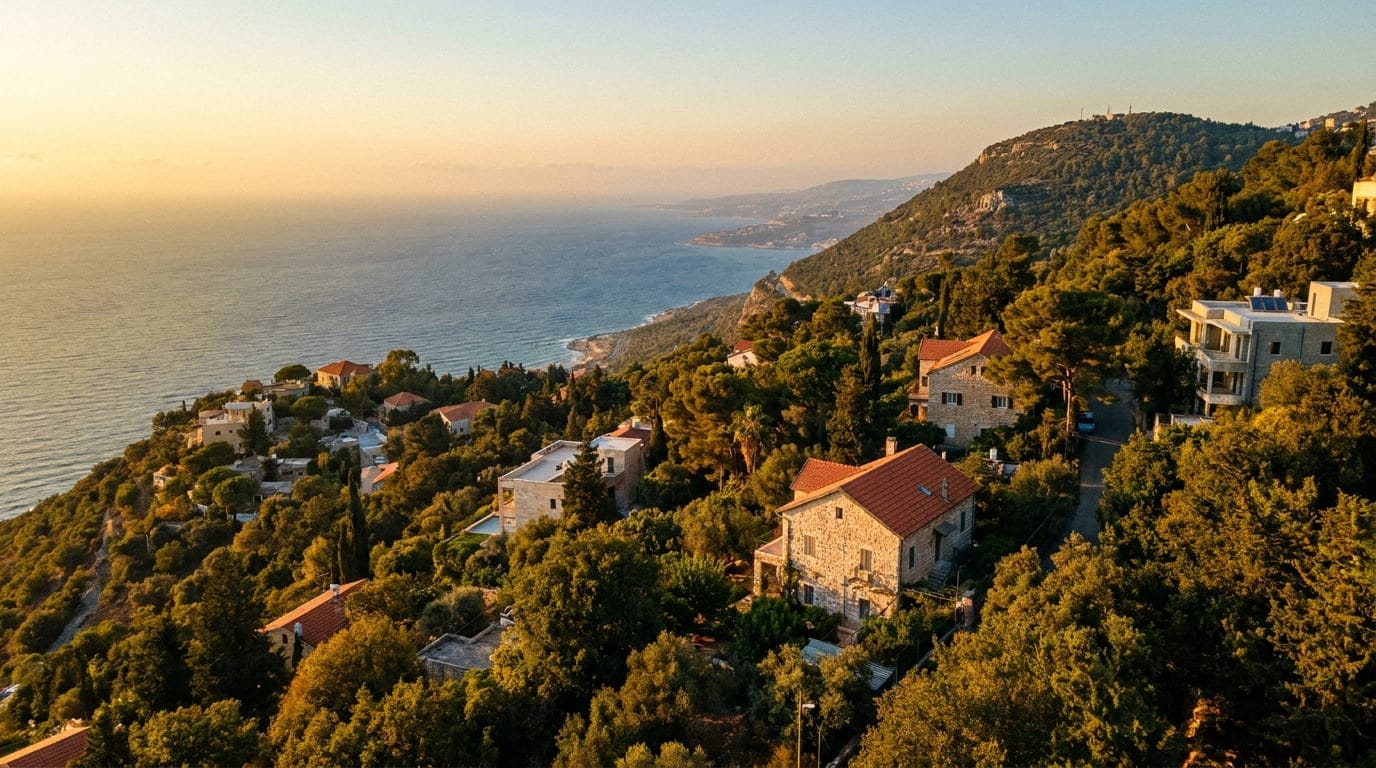
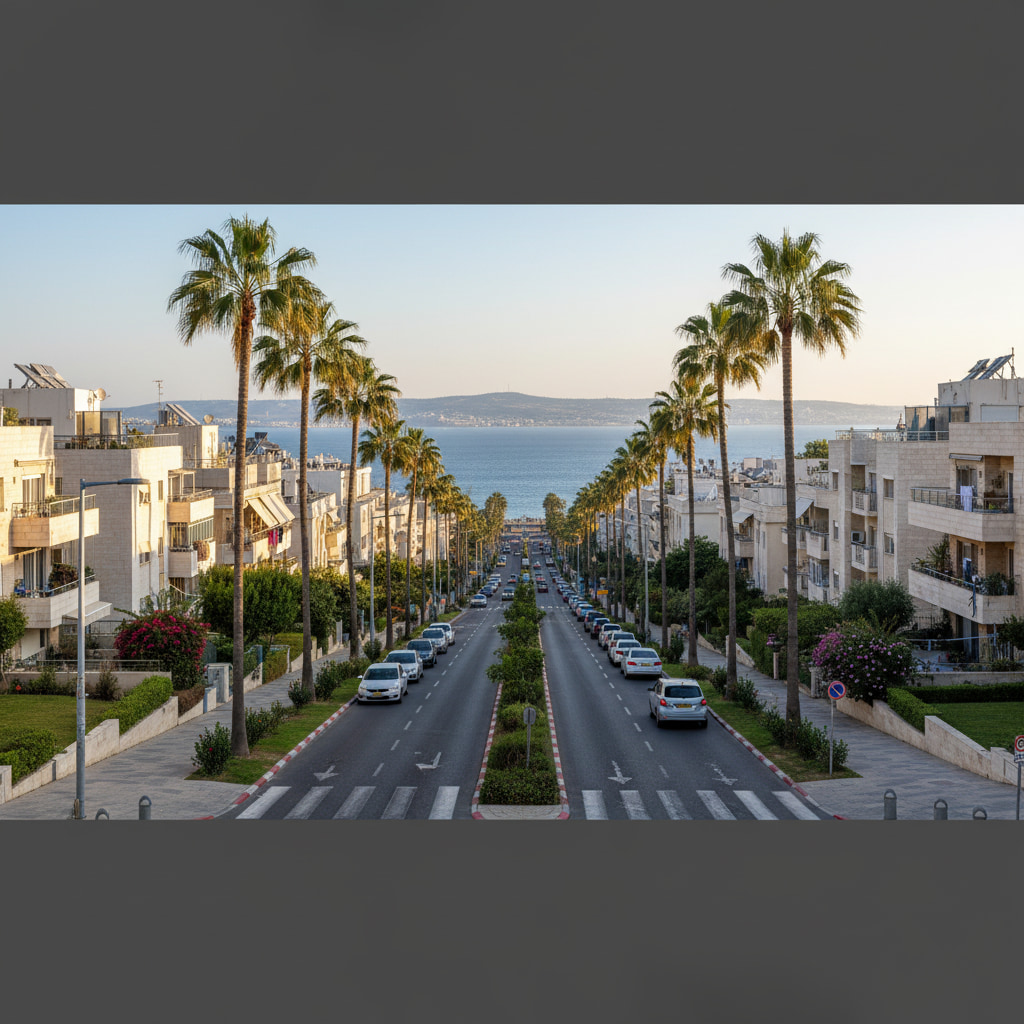
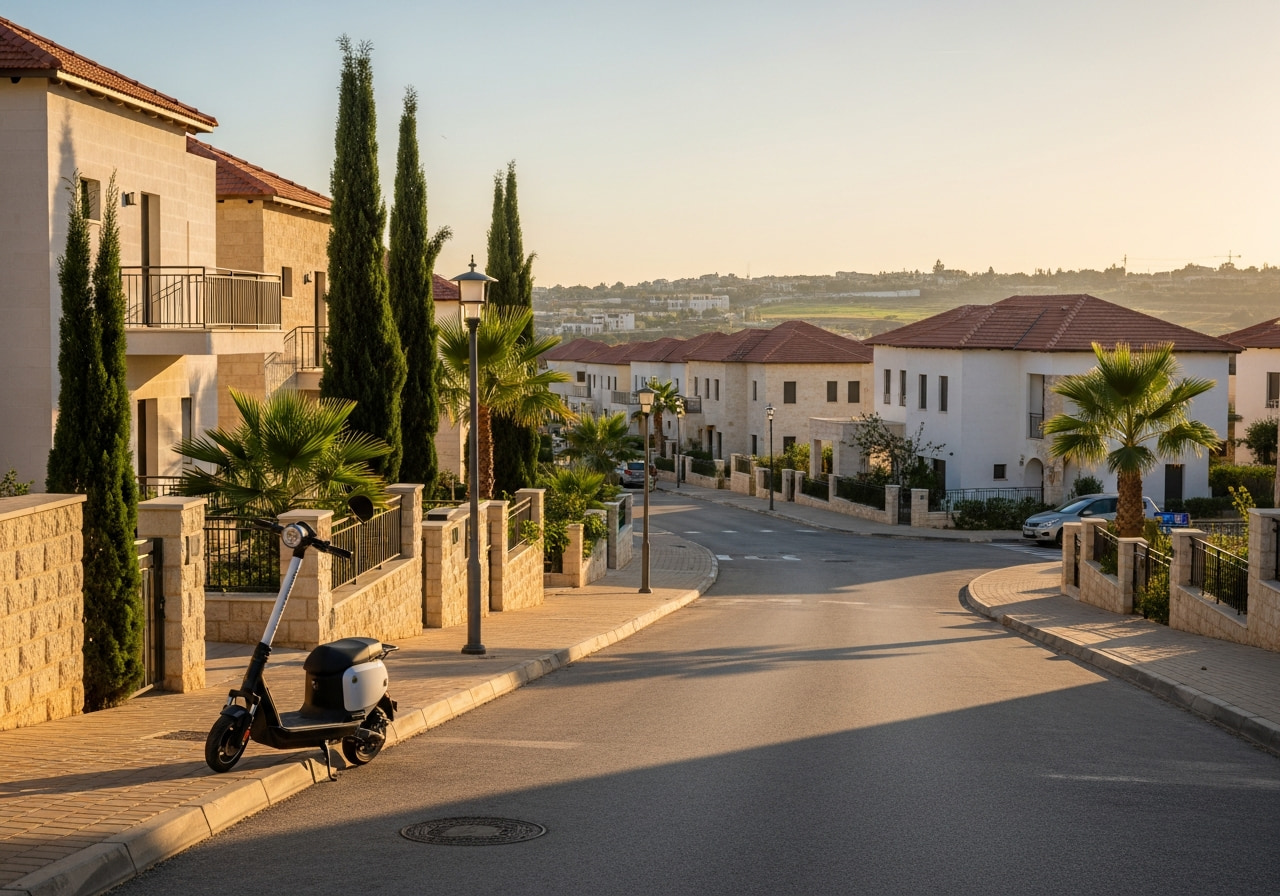
Harish's housing stock primarily consists of modern apartments and private homes, developed since the city's significant expansion began in 2013. The apartments range from 2 to 5 rooms, catering to various family sizes, while private homes offer more spacious living options. The city is characterized by contemporary architecture, with buildings featuring modern amenities and energy-efficient designs.
The demand for housing in Harish is driven by its affordability compared to nearby cities, attracting young families and first-time buyers. The market has experienced substantial growth, with property prices appreciating by approximately 50% over the past five years. Buyers are predominantly young, middle-class families seeking modern living environments. The market remains active, with a steady influx of new residents contributing to its dynamism.
NEIGHBORHOOD BREAKDOWN
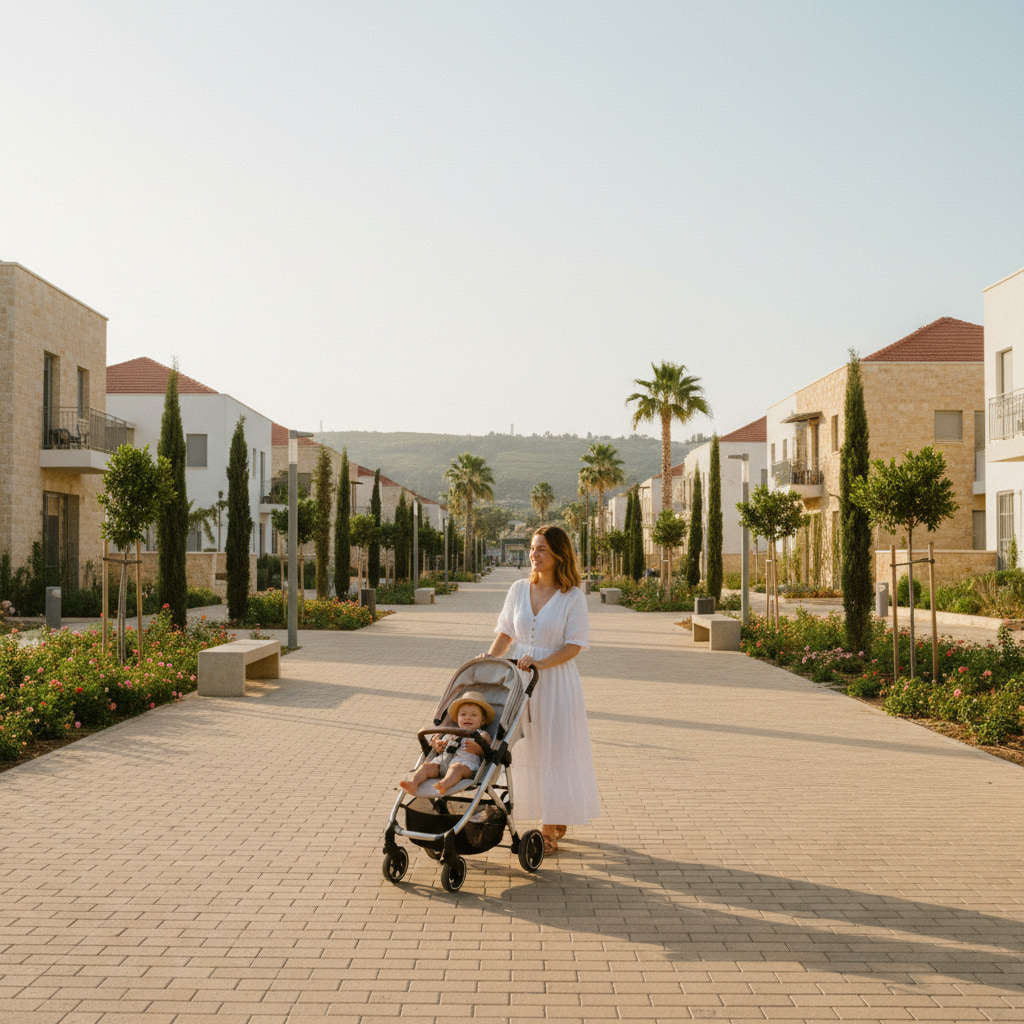
Harish is organized into distinct neighborhoods, each with its own character and amenities. The city is designed with walkable neighborhoods that integrate schools, parks, and community centers, fostering a family-friendly environment. The infrastructure is well-planned, featuring wide sidewalks and bicycle paths to promote an active lifestyle.
- Givat Gonen: Known for its significant Anglo community presence, offering a supportive environment for English-speaking residents.
- Harish North: Features emerging Anglo minyanim and a growing community infrastructure.
- Shkhuna Alef and Bet: Among the first neighborhoods developed, boasting mature commercial and educational facilities.
- Shkhuna Gimel and Daled: Continuously expanding areas with modern buildings and parks, offering a variety of new housing units.
- Neve HaIlanot and Neve Giv'at Nof: Family-oriented neighborhoods with public and religious schools, providing a residential atmosphere.
NEW CONSTRUCTION PROJECTS
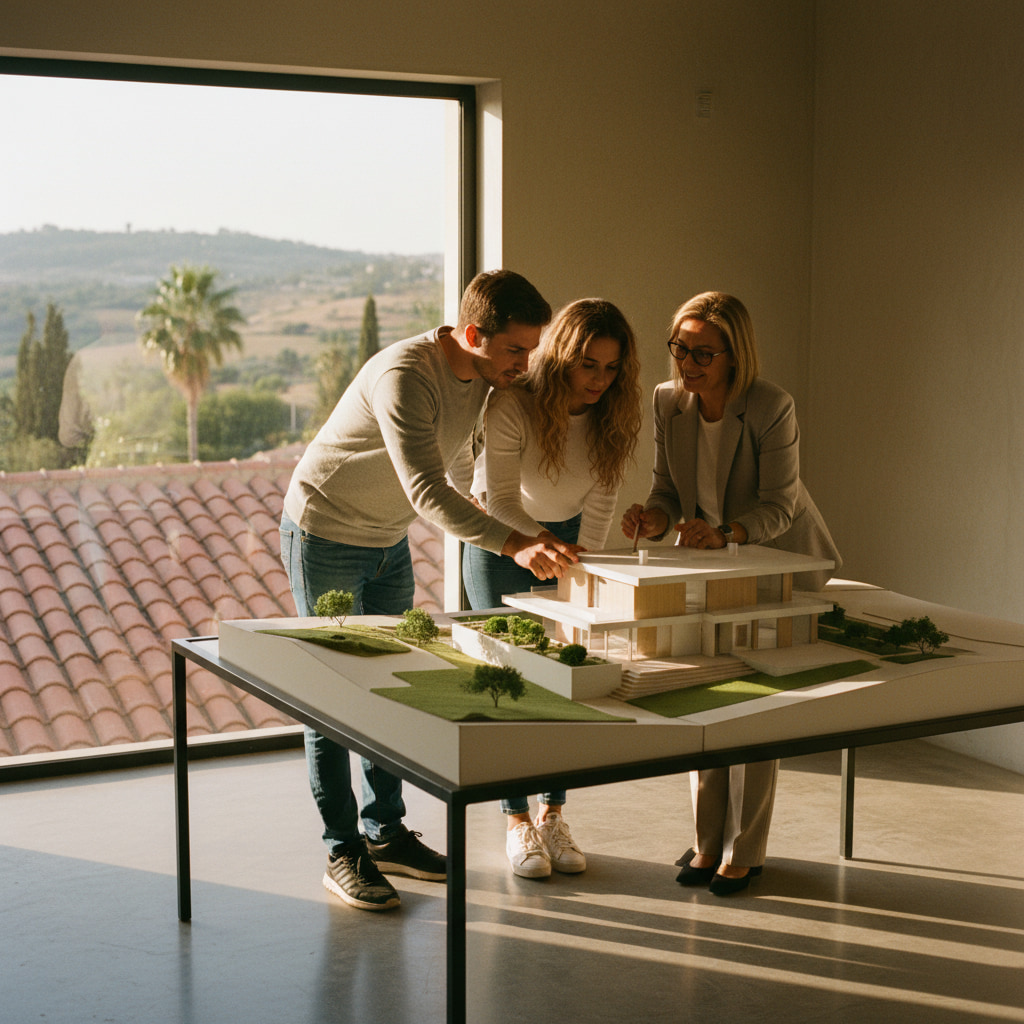
Harish is undergoing substantial development, with numerous residential projects underway to accommodate its rapidly growing population. The kibbutz is expanding its housing infrastructure to meet the needs of new residents, including families and individuals seeking modern living spaces. These developments are designed to integrate seamlessly with the existing community, offering contemporary amenities and fostering an environment.
TRANSPORTATION & ACCESSIBILITY
Harish benefits from a well-established transportation network that connects it to major urban centers. The kibbutz is served by several bus routes operated by companies such as Kavim and Egged, providing residents with convenient access to nearby cities and regions. These services facilitate daily commutes and travel, enhancing the community's accessibility and appeal.
WHY NEW IMMIGRANTS CHOOSE HARISH
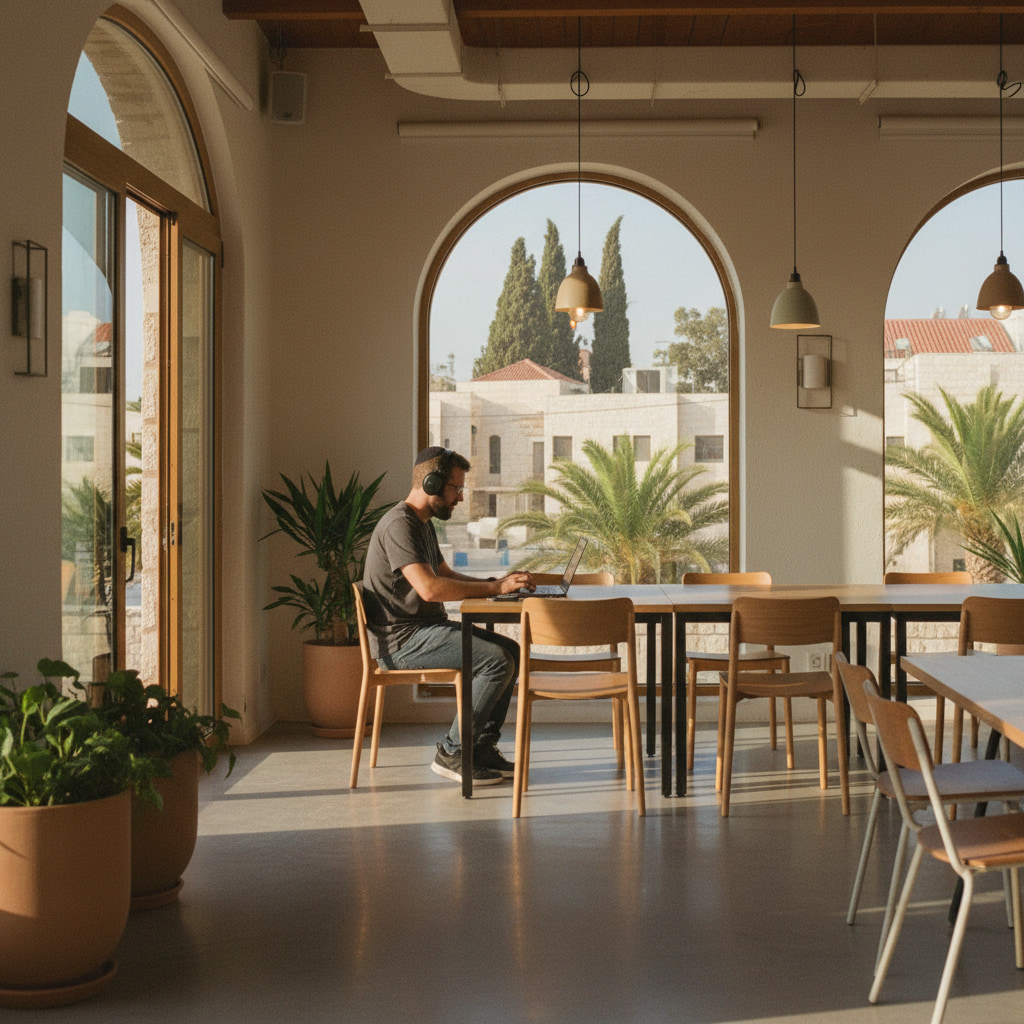
New immigrants, or olim, are drawn to Harish for its affordable housing options, modern infrastructure, and strategic location near major highways, facilitating easy access to central Israel. The city offers a supportive environment for olim, including Hebrew classes, employment assistance, and community activities. Communities like Kanfe Nesharim provide cultural and social support, particularly for Latin American immigrants.
- Affordable housing options
- Modern infrastructure and amenities
- Proximity to major highways
- Supportive services for new immigrants
- Active cultural and social communities