CITY HISTORY & DEVELOPMENT
Bareket, a religious Zionist moshav in Israel's Central District, was established in 1952 by members of Hapoel HaMizrachi who immigrated from the Habban District in southeast Yemen. Initially named Kfar Halutzim and later Tirat Yehuda Bet, it was eventually renamed Bareket, meaning 'emerald,' aligning with neighboring communities like Nofekh and Ahlama, whose names also reference the stones of the Hoshen, the sacred breastplate worn by the Jewish high priest. The moshav is situated approximately five kilometers northeast of Ben Gurion International Airport and covers an area of 2,500 dunams.
DEMOGRAPHICS & FAMILY LIFESTYLE
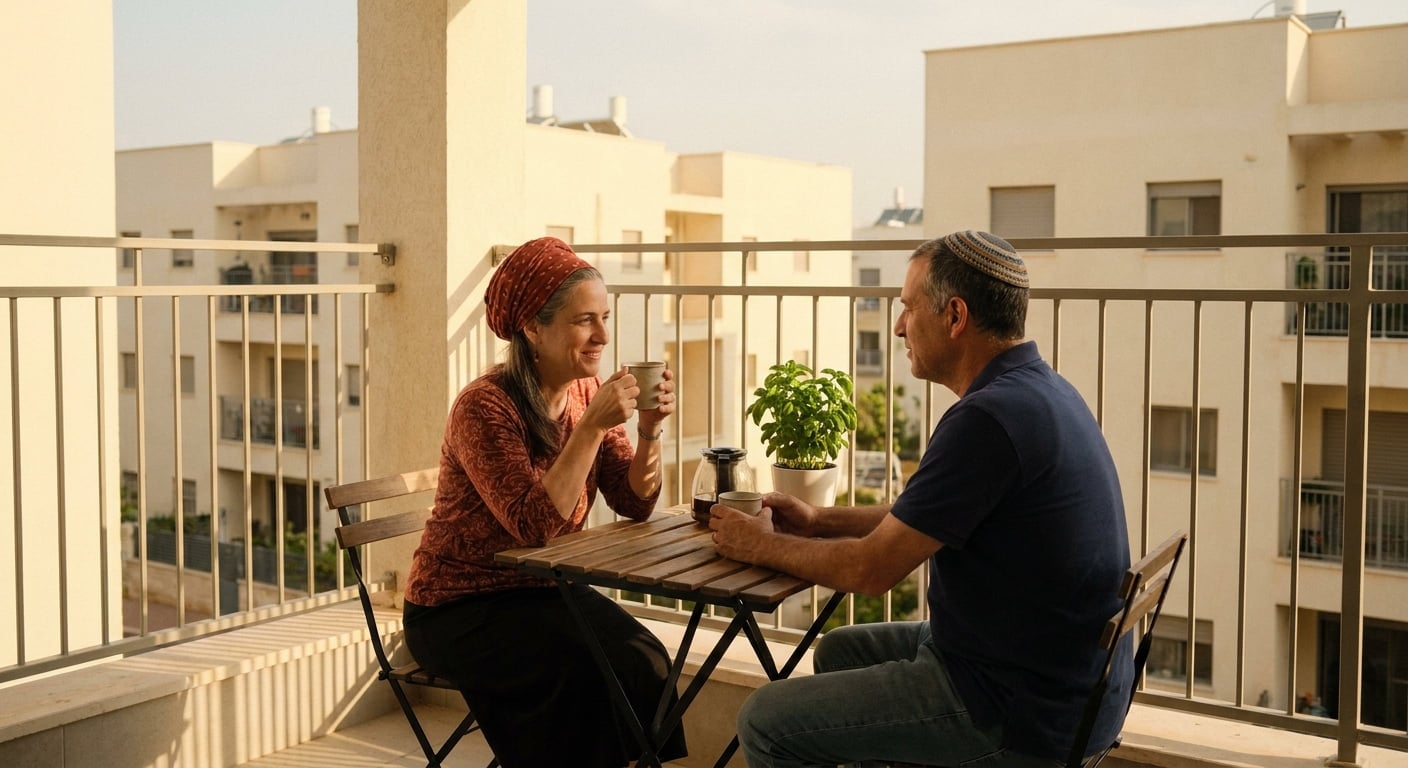
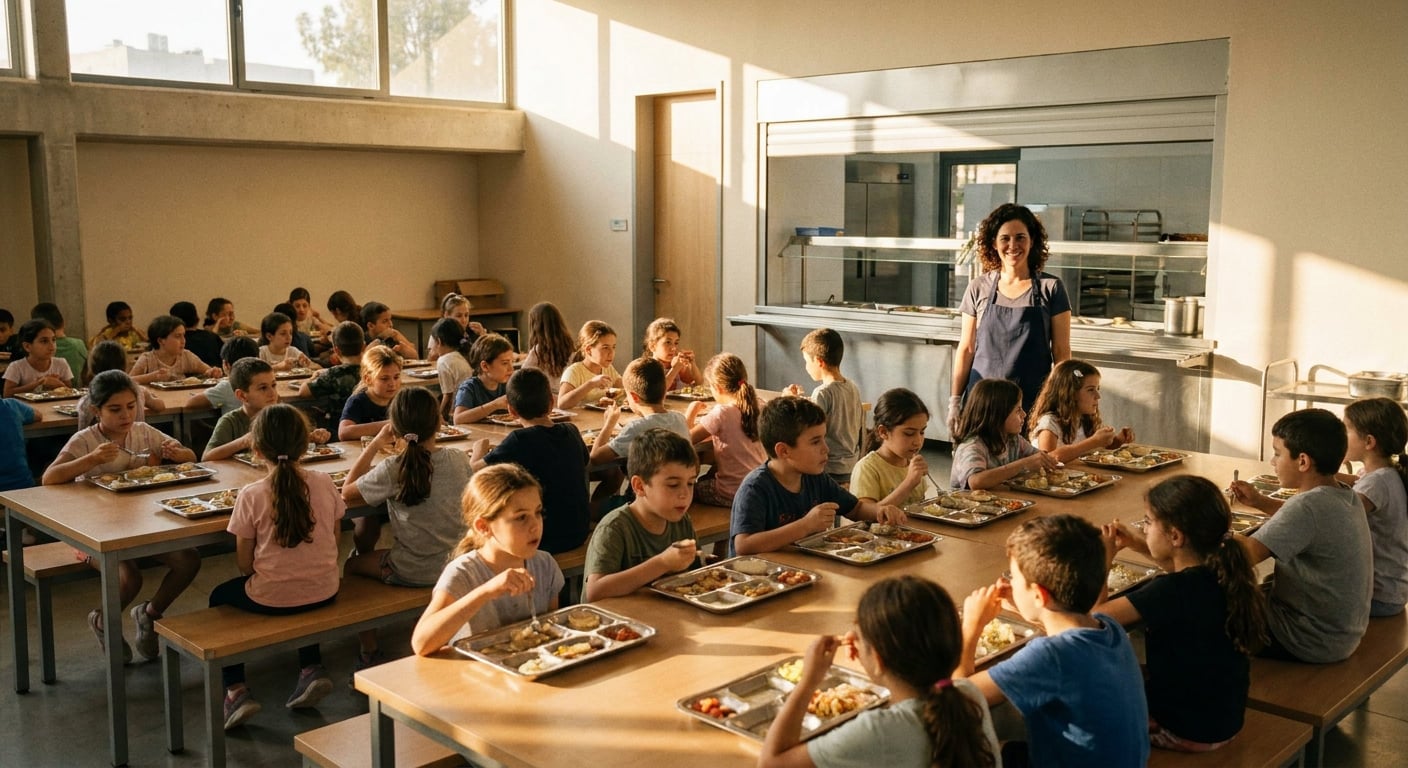
Bareket is a religious Zionist moshav, home to approximately 2,035 residents. The community maintains a religious lifestyle, with a significant number of families and children contributing to its atmosphere. The median age of residents is 30.4 years, indicating a relatively young population.
REAL ESTATE MARKET OVERVIEW
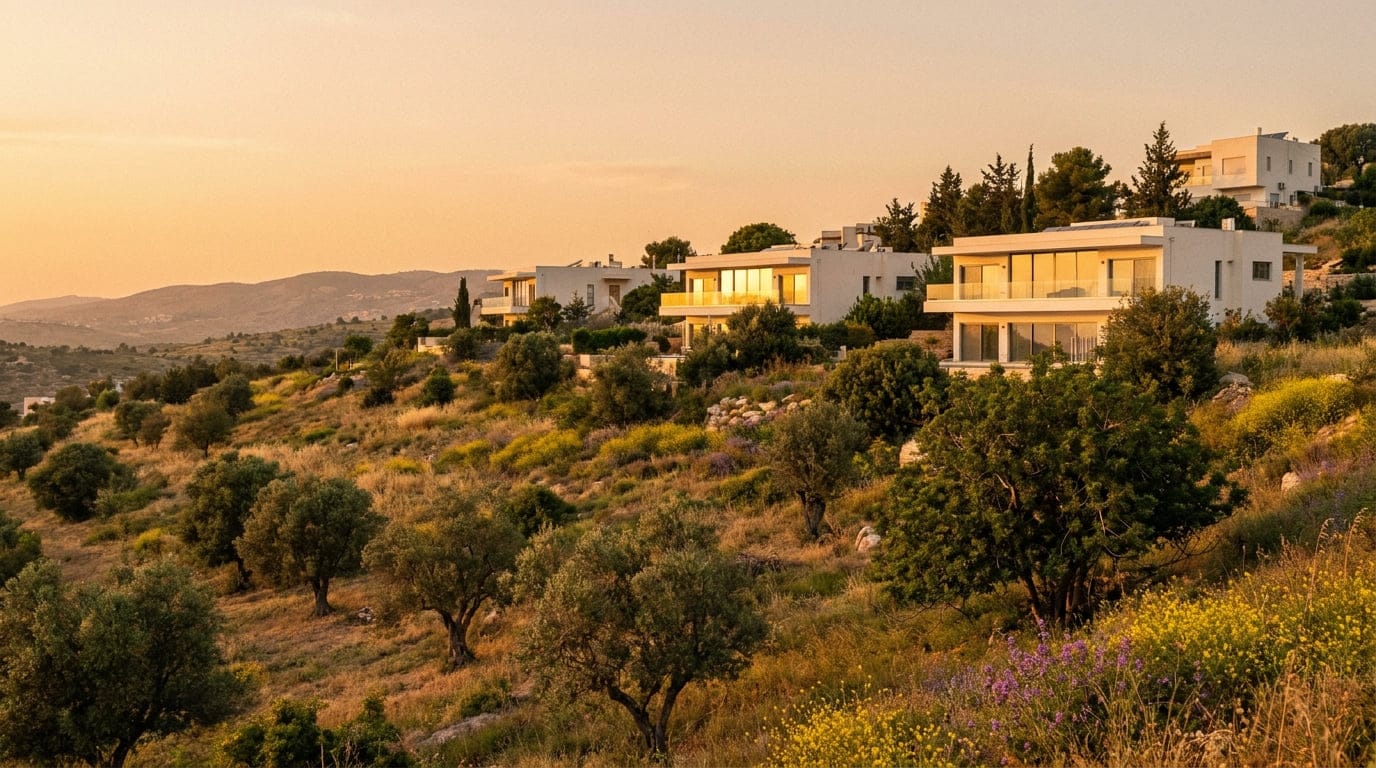
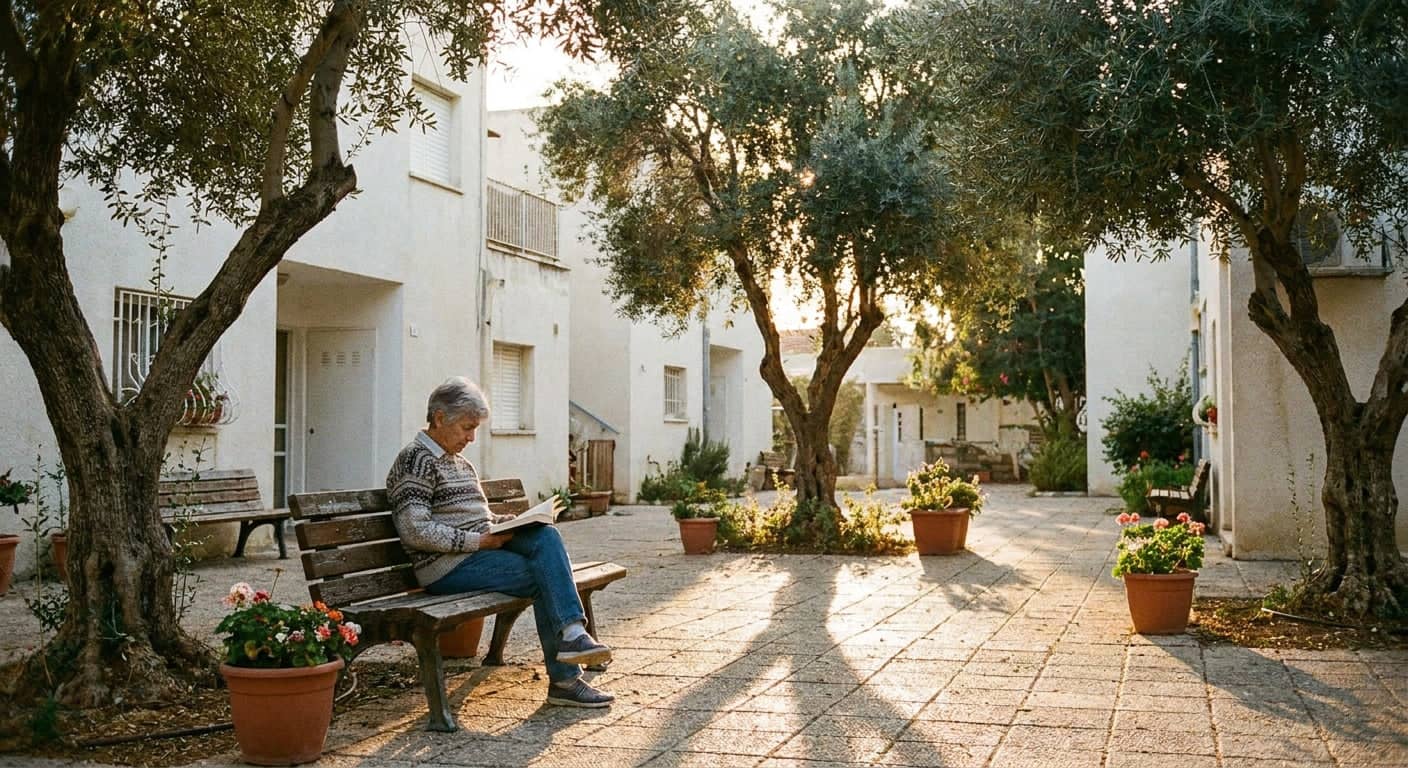
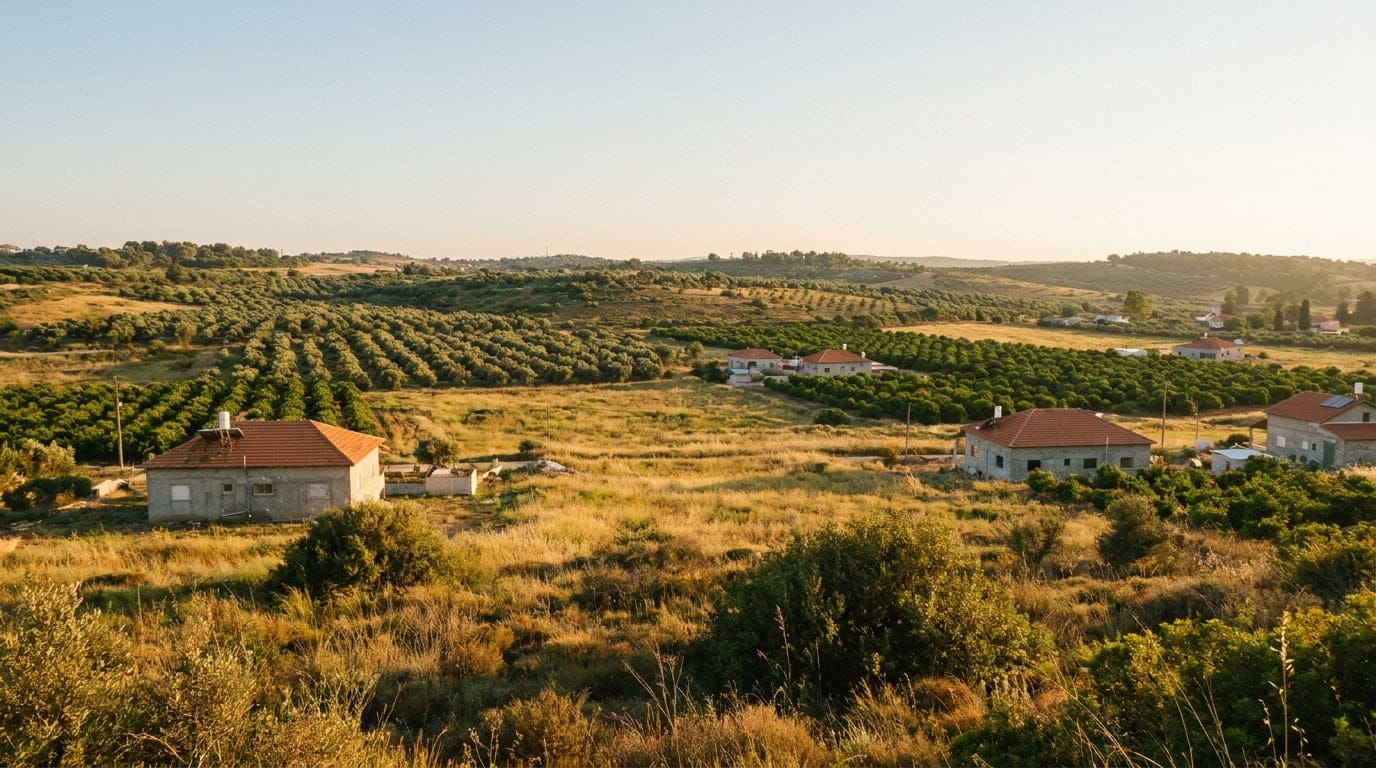
Bareket's housing primarily consists of single-family homes situated on spacious plots, reflecting its moshav character. The residences are a mix of original structures from the 1950s and modern constructions, showcasing a blend of traditional and contemporary architectural styles. The community's layout emphasizes open spaces and agricultural land, contributing to its rural ambiance. The real estate market in Bareket is influenced by its proximity to Tel Aviv and Ben Gurion International Airport, making it attractive to families seeking a balance between rural living and urban accessibility. The demand is driven by those valuing a religious, family-oriented environment. Property prices are generally stable, reflecting the community's established nature and consistent demand. Market liquidity is moderate, with properties typically remaining on the market for a reasonable duration before sale.
NEW CONSTRUCTION PROJECTS
Bareket, a religious Zionist moshav in Israel's Central District, has been experiencing steady development to accommodate its growing population. The community has been expanding its residential areas, with new housing units and infrastructure projects enhancing the quality of life for residents. These developments aim to support the moshav's family-friendly environment and maintain its commitment to religious values and traditions.
TRANSPORTATION & ACCESSIBILITY
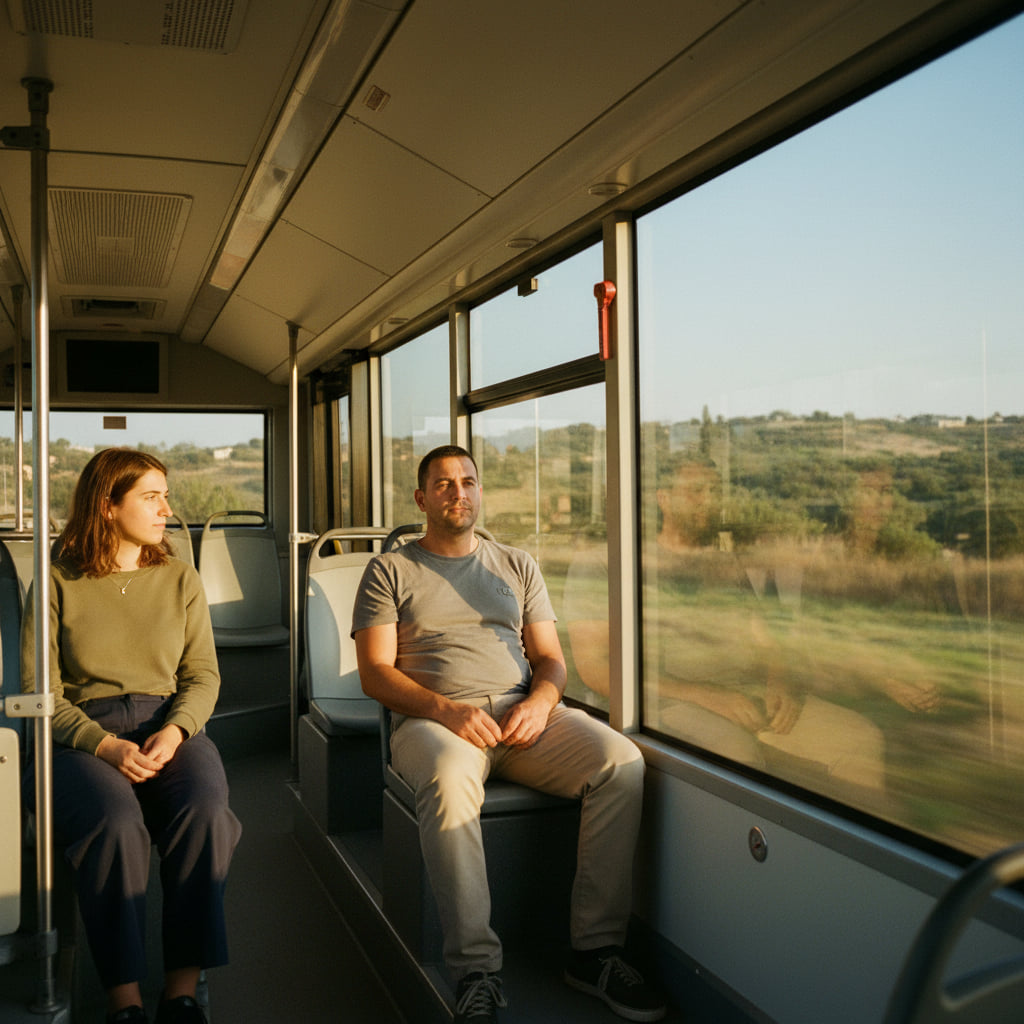
Bareket is well-connected through a network of regional roads and public transportation options. Highway 4613 links the moshav to Highway 444 to the east, providing access to El'ad, and to Highway 40 to the west, leading to Petah Tikva and Tel Aviv. Despite its proximity to Highway 6, there is no direct access from Bareket. Public transportation is available via bus routes operated by Kavim, including lines 58 and 85, which stop at the moshav's entrance, and lines 173 and 385, which circulate within the community. These routes connect residents to nearby cities and essential services, facilitating convenient commutes to Tel Aviv and other urban centers.
WHY NEW IMMIGRANTS CHOOSE BAREKET
New immigrants, or olim, are drawn to Bareket for its strong religious community, family-friendly environment, and proximity to major urban centers like Tel Aviv. The moshav's location near Ben Gurion International Airport and its connection to the Hevel Modi'in Regional Council provide residents with access to employment opportunities and essential services. Additionally, the community's commitment to religious values and traditions offers a supportive environment for olim seeking to integrate into Israeli society while maintaining their cultural and religious practices.
- Strong religious community support
- Family-friendly environment
- Proximity to Tel Aviv and employment opportunities
- Access to essential services
- Commitment to religious values and traditions