CITY HISTORY & DEVELOPMENT
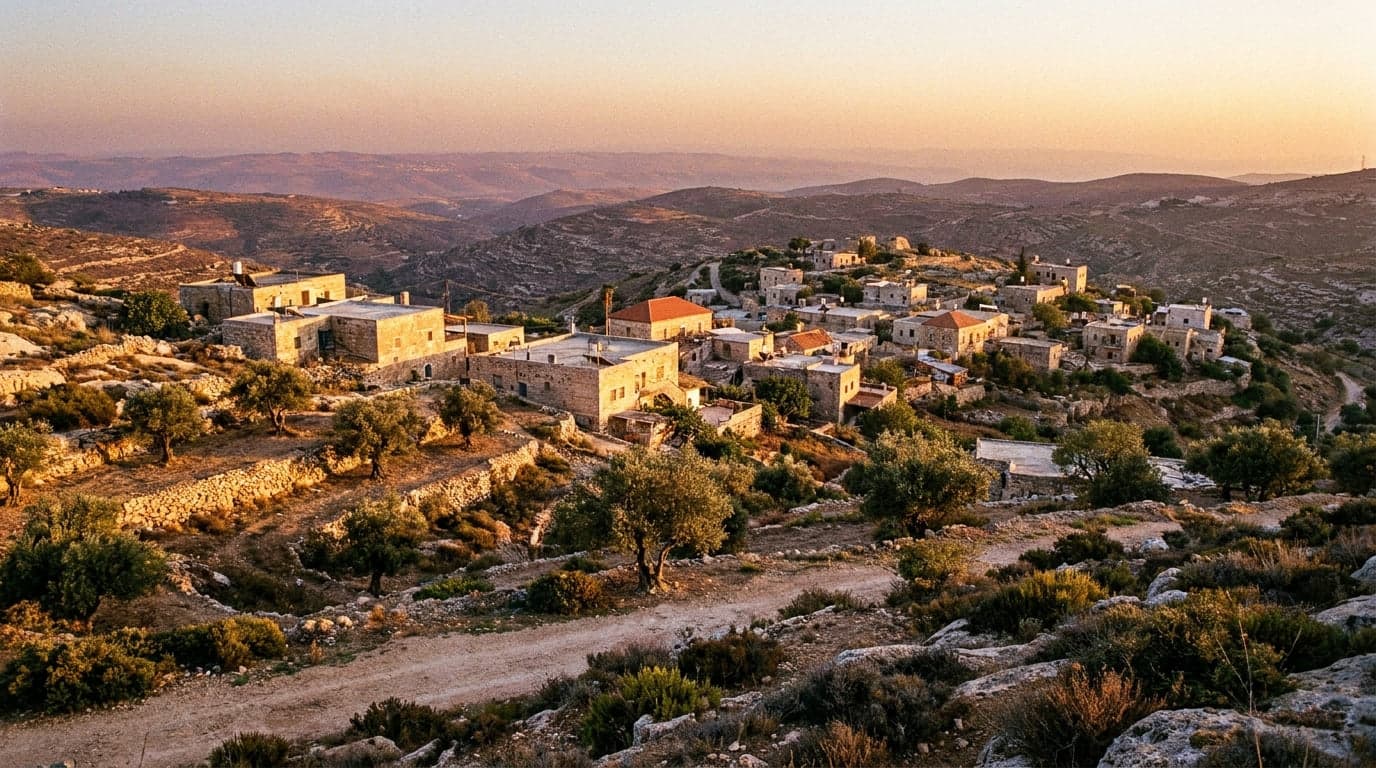
Beit El was established in November 1977 by a group of 16 religious families, primarily professionals and graduates of the Mercaz HaRav yeshiva. Initially, the settlement was situated near the military base Bahad 4, close to the Palestinian village of Beitin. Shortly after its founding, Beit El divided into two communities: one centered around the newly established Beit El Yeshiva, led by Rabbi Zalman Baruch Melamed, and the original settlement. In 1997, these two communities reunited under a single local council. Over the years, Beit El has developed into a well-established town with a range of educational institutions and community facilities.
DEMOGRAPHICS & FAMILY LIFESTYLE
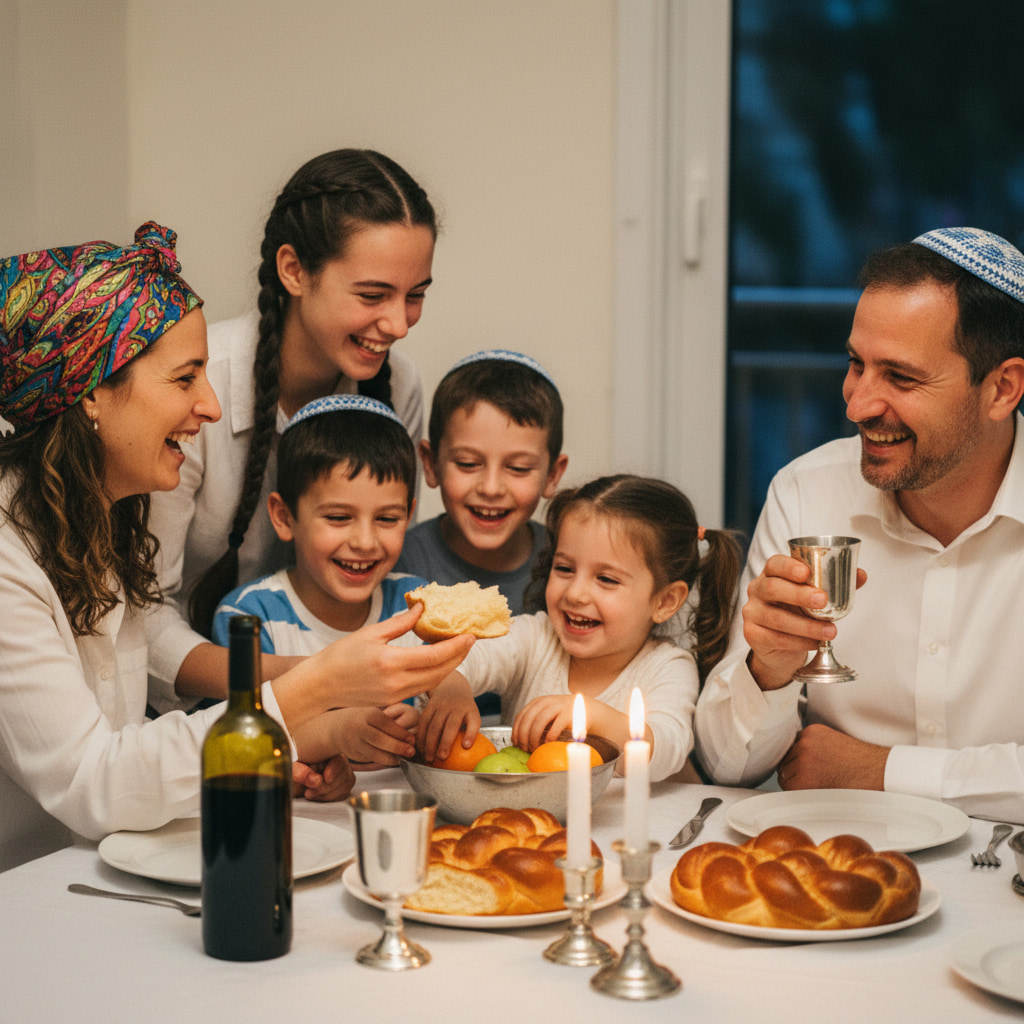
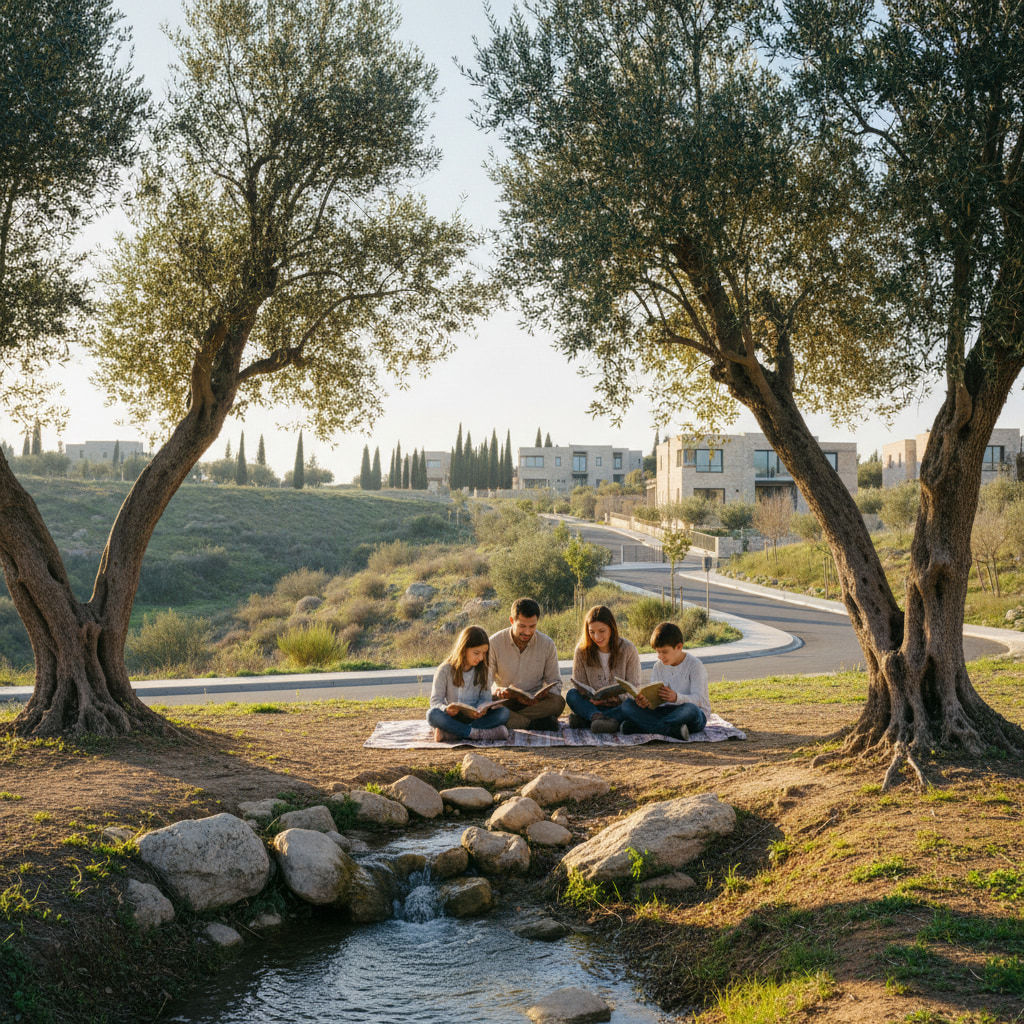
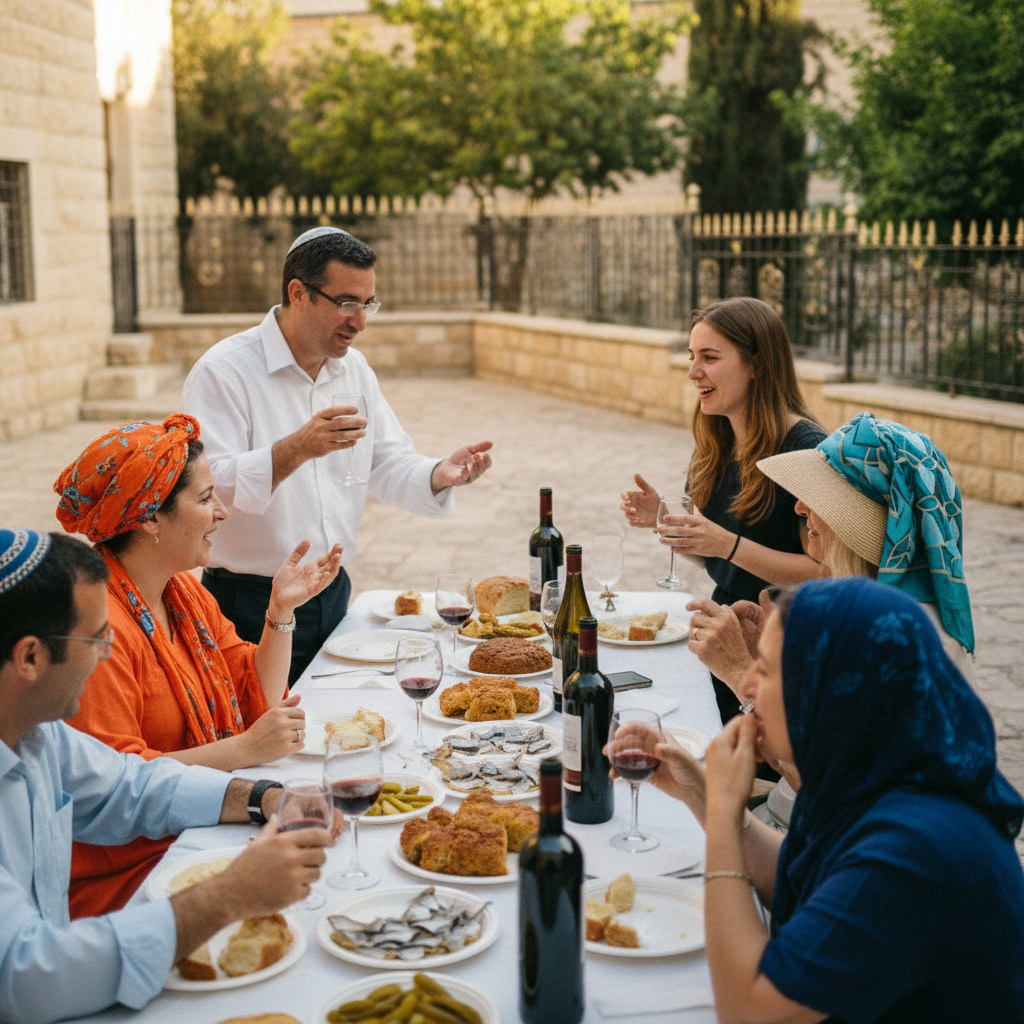
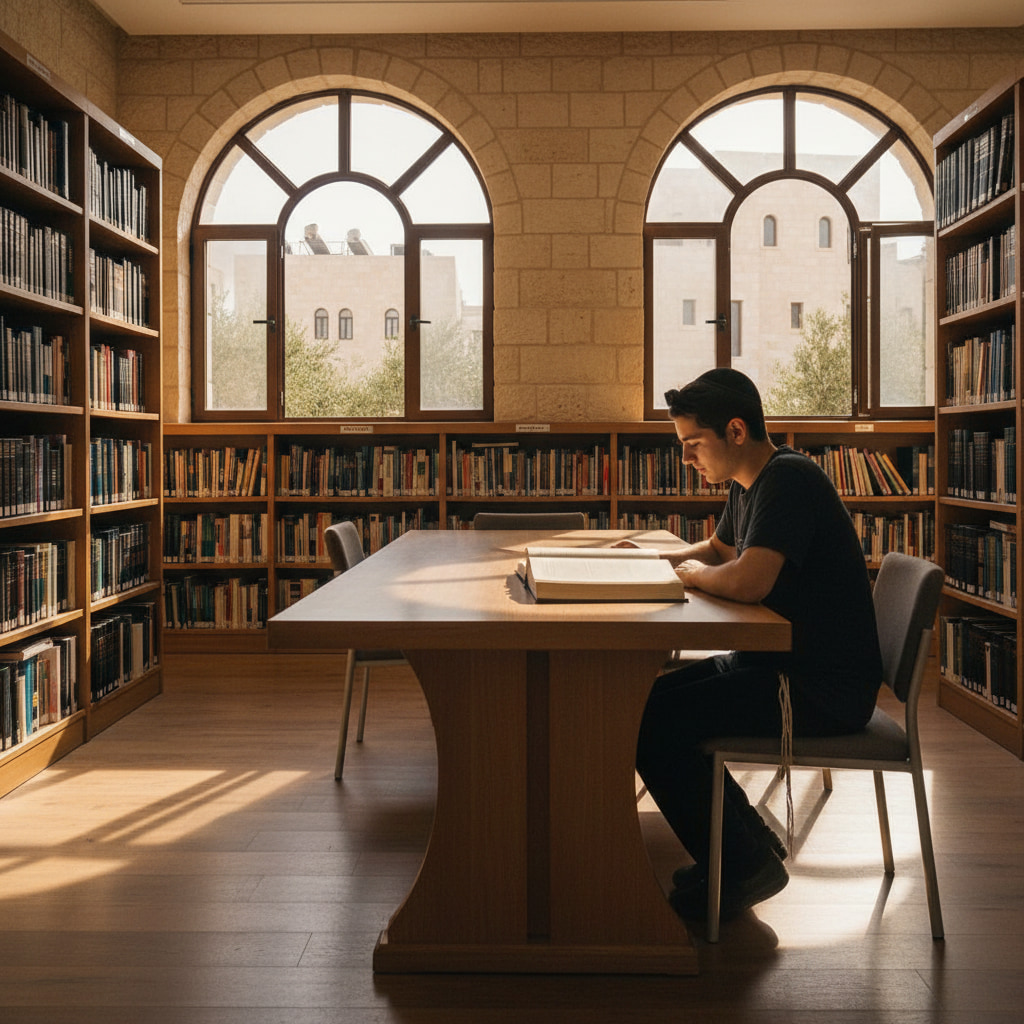
Beit El is a religious community predominantly affiliated with the Religious Zionist movement. The town is home to approximately 1,300 families, totaling around 6,500 residents. The population includes a significant number of immigrants from countries such as India, Peru, Ethiopia, and Russia, contributing to the town's cultural fabric. The community places a strong emphasis on education and religious studies, with institutions like the Beit El Yeshiva playing a central role in communal life. The town's demographic profile is characterized by a mix of age groups, with a substantial number of children and young families, reflecting its family-oriented lifestyle.
REAL ESTATE MARKET OVERVIEW
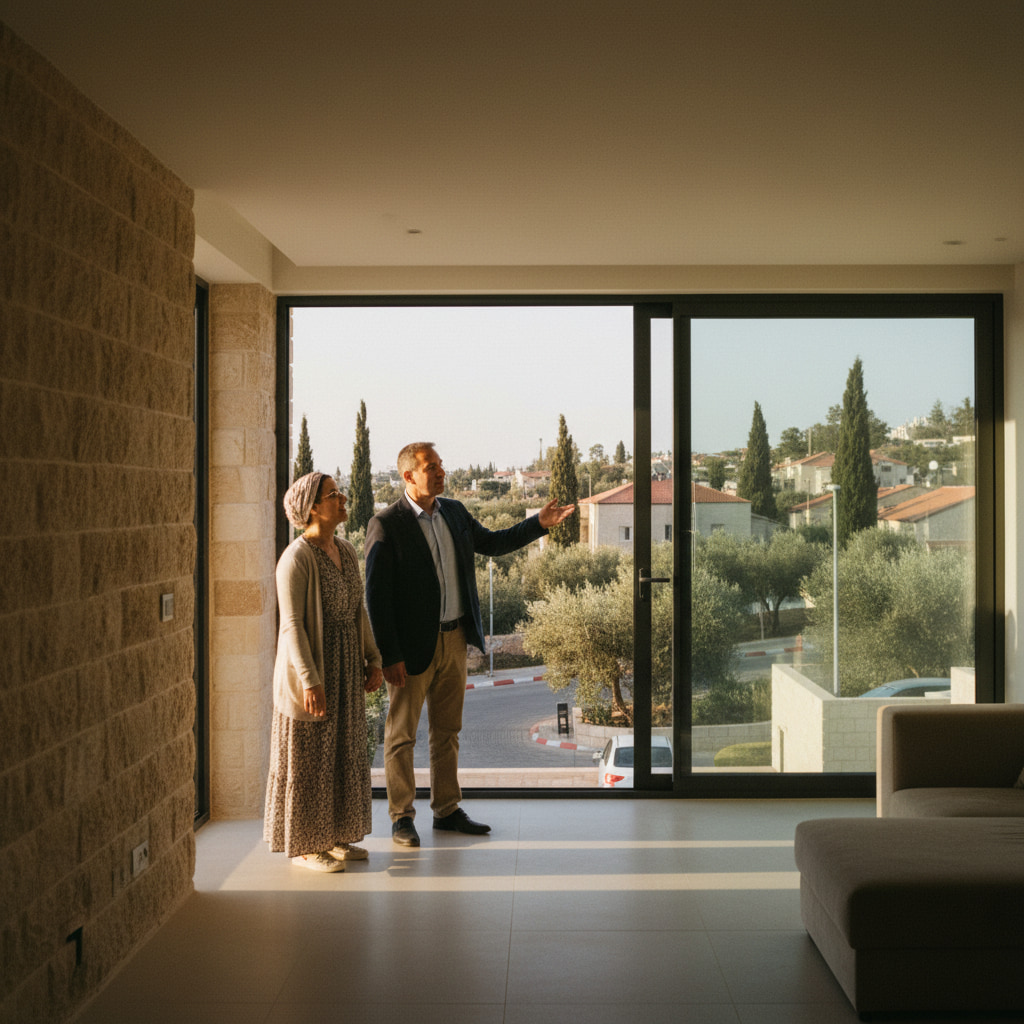
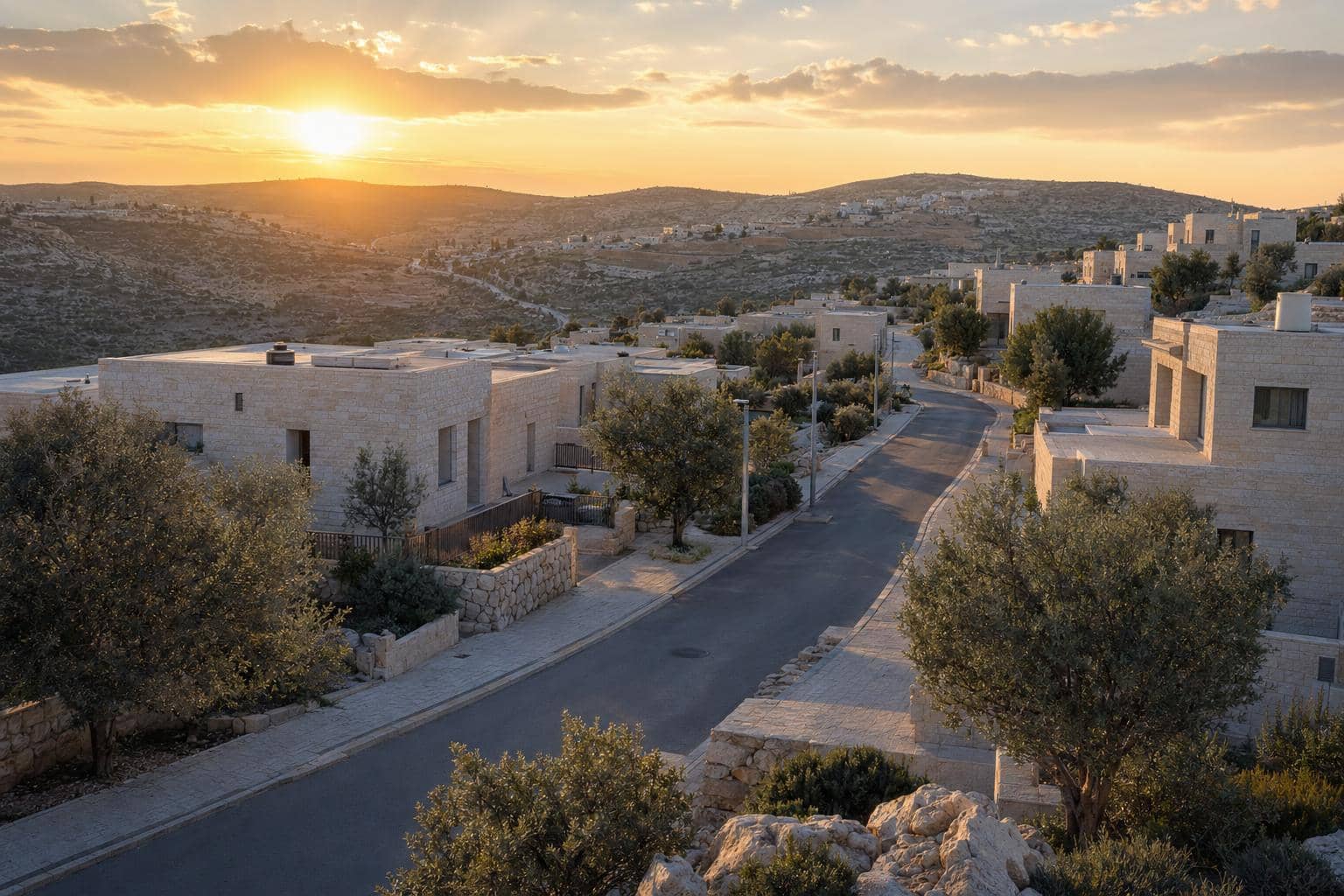
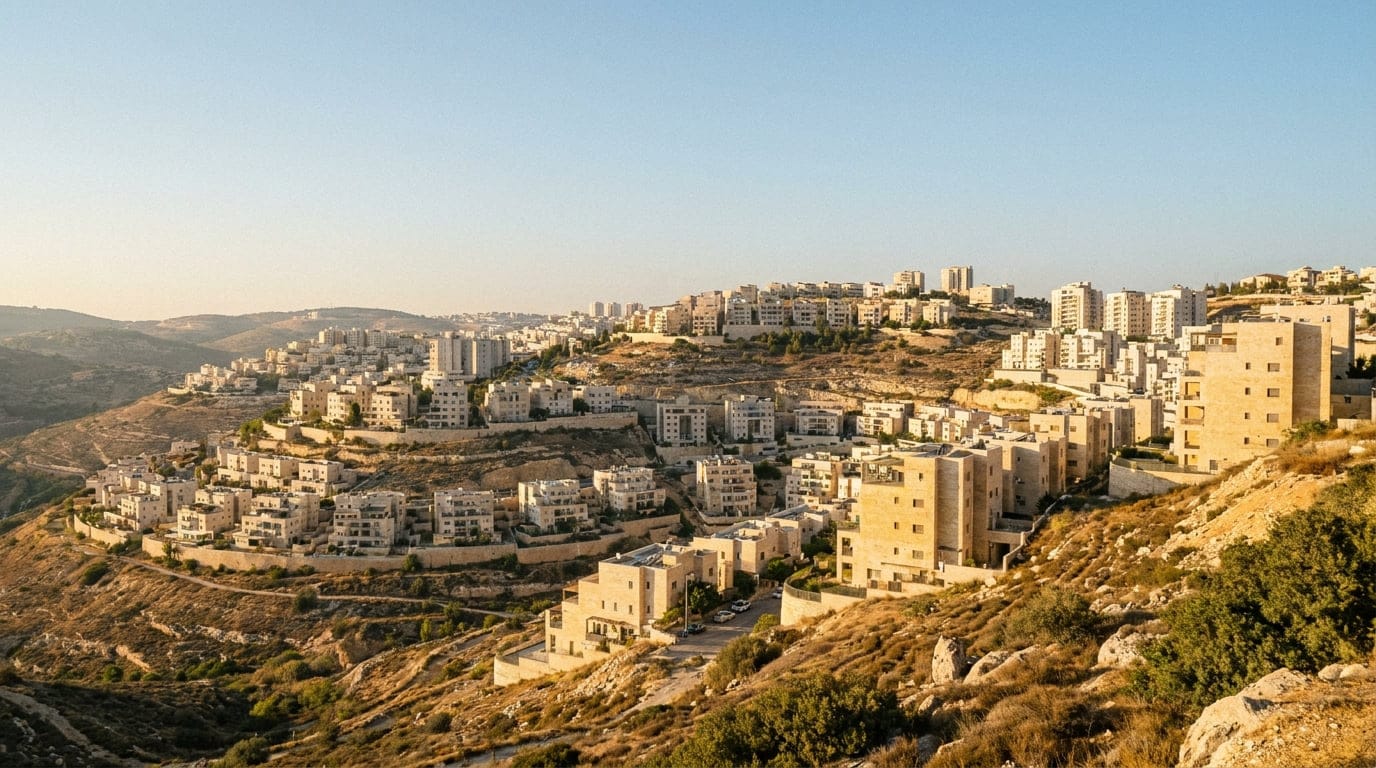
Beit El's housing stock primarily consists of single-family homes and low-rise apartment buildings, reflecting its development since the late 1970s. The settlement has experienced significant growth, with ongoing construction projects adding modern residences to accommodate the increasing population. Recent developments include a boutique building with 36 spacious apartments ranging from approximately 94 to 130 square meters, featuring balconies or gardens, catering to family needs.
The real estate market in Beit El is characterized by steady demand, driven by its proximity to Jerusalem and the community's strong educational and religious institutions. The market offers a range of housing options, from affordable apartments to larger family homes, appealing to both young families and individuals seeking a community-oriented lifestyle. Market liquidity is moderate, with new developments attracting interest from prospective buyers.
NEIGHBORHOOD BREAKDOWN
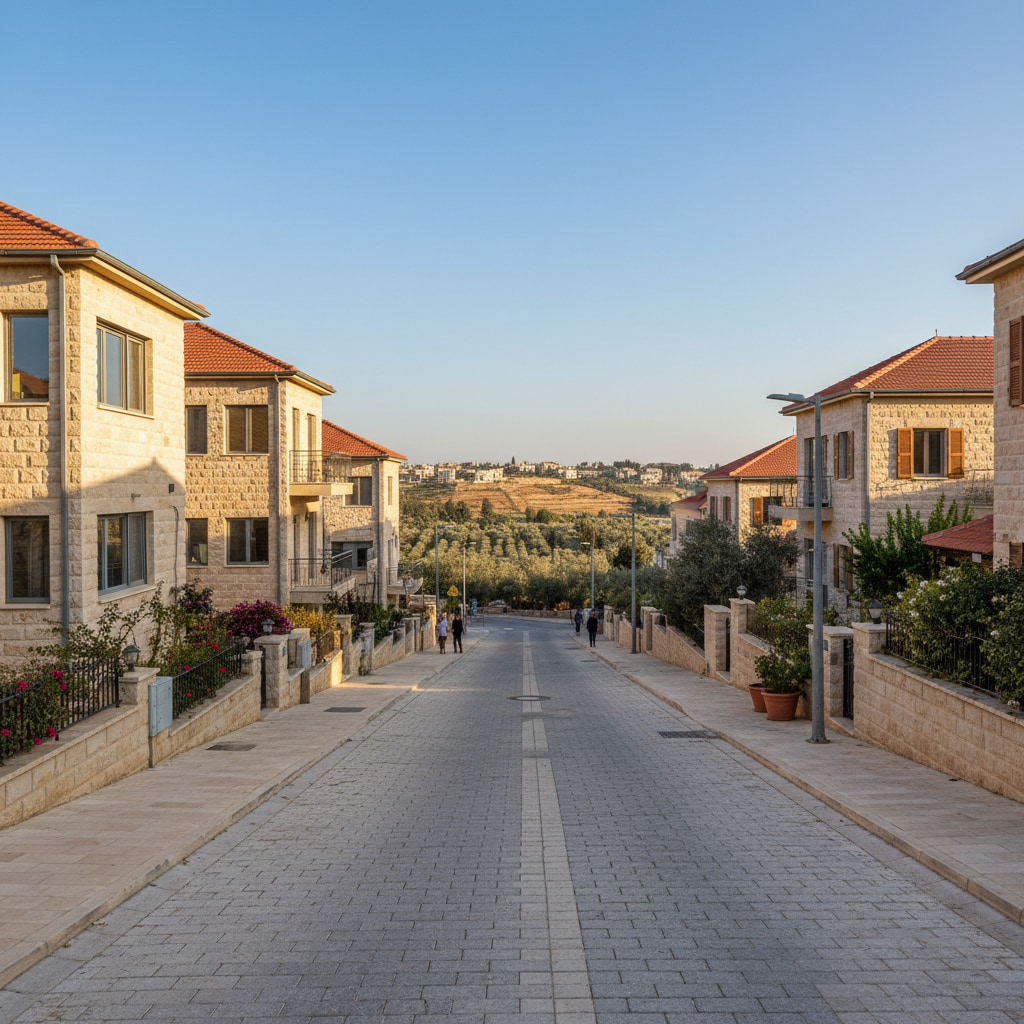
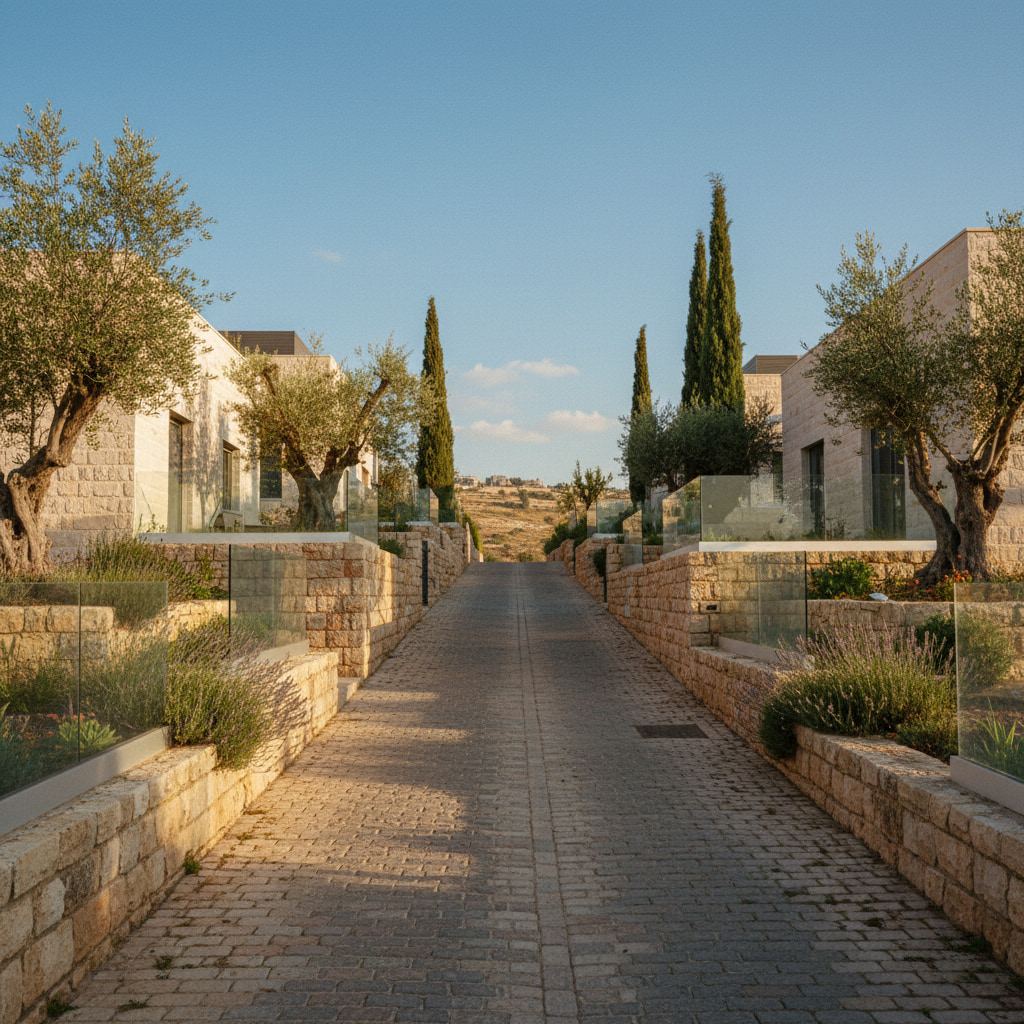
The layout includes well-planned residential areas, educational facilities, and communal spaces, fostering a family-friendly environment. The settlement's design emphasizes accessibility and convenience, with essential services and amenities within close reach of residents.
- Ramat Beit El: A serene residential area offering a range of housing options close to Jerusalem.
- Aleph Neighborhood: Known for its well-planned residential areas and communal spaces.
- Ulpana Neighborhood: Features modern residences and is part of the settlement's recent developments.
NEW CONSTRUCTION PROJECTS
Beit El is undergoing significant development aimed at transforming the settlement into a city. A detailed plan has been approved to construct 1,200 new housing units in the first phase, accompanied by infrastructure enhancements such as road expansions to accommodate anticipated population growth. This initiative follows the recent settlement of land ownership rights, marking a pivotal step in Beit El's urban development.
TRANSPORTATION & ACCESSIBILITY
Beit El is accessible via local roads connecting to major highways leading to Jerusalem, the nearest major city. Public transportation services, including bus routes operated by companies such as Egged, facilitate commuting between Beit El and surrounding areas. The commute to Jerusalem is characterized by a combination of private vehicle use and public transit options, catering to the needs of residents traveling for work, education, and other purposes.
WHY NEW IMMIGRANTS CHOOSE BEIT EL
Beit El attracts new immigrants seeking a religious-Zionist lifestyle within a close-knit community. The settlement's emphasis on education and religious studies, exemplified by institutions like the Beit El Yeshiva, appeals to those prioritizing spiritual growth. Its proximity to Jerusalem offers access to urban amenities while maintaining a serene environment. The community's population, including immigrants from various countries, fosters a rich cultural tapestry. Additionally, Beit El's family-oriented atmosphere and range of community facilities support a high quality of life.
- Strong religious-Zionist community
- Proximity to Jerusalem
- Emphasis on education and religious studies
- Cultural population
- Family-friendly environment