CITY HISTORY & DEVELOPMENT
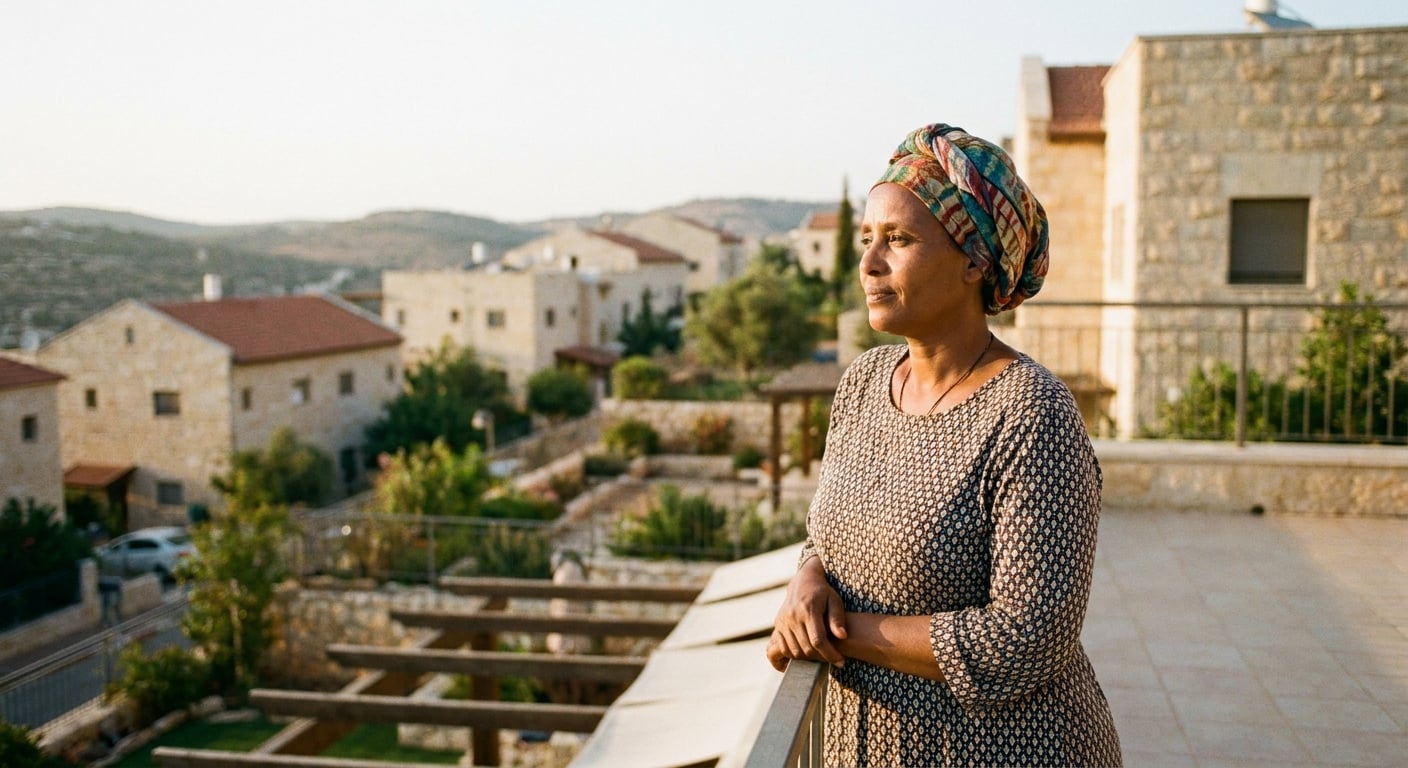
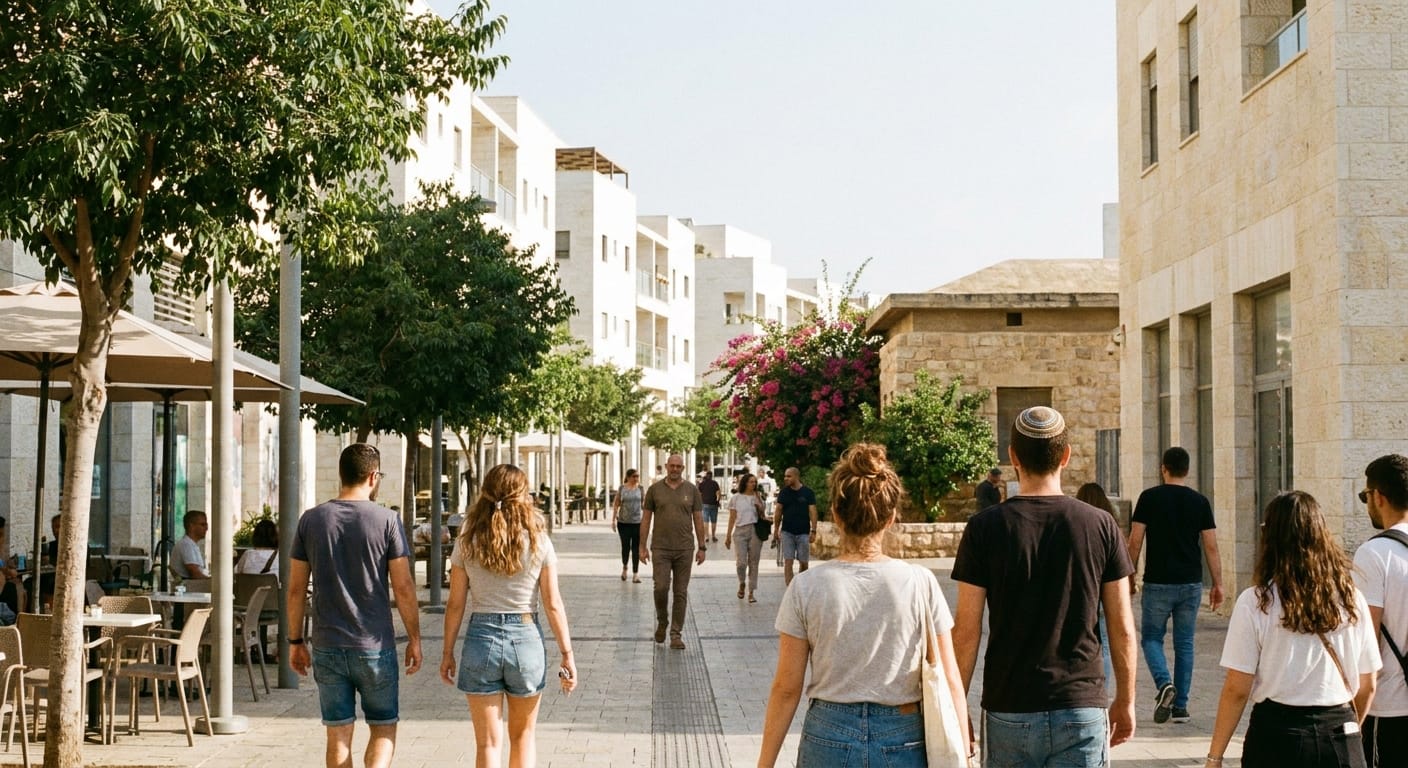
Kiryat Arba, established between 1968 and 1971, is an Israeli settlement located on the outskirts of Hebron in the West Bank. It was founded by Jewish residents, including Rabbi Moshe Levinger, who sought to reestablish a Jewish presence in the area following the Six-Day War. The settlement began with residents moving into an abandoned military base in 1971 and has since developed into a self-sufficient community with educational institutions, medical facilities, and commercial centers.
DEMOGRAPHICS & FAMILY LIFESTYLE
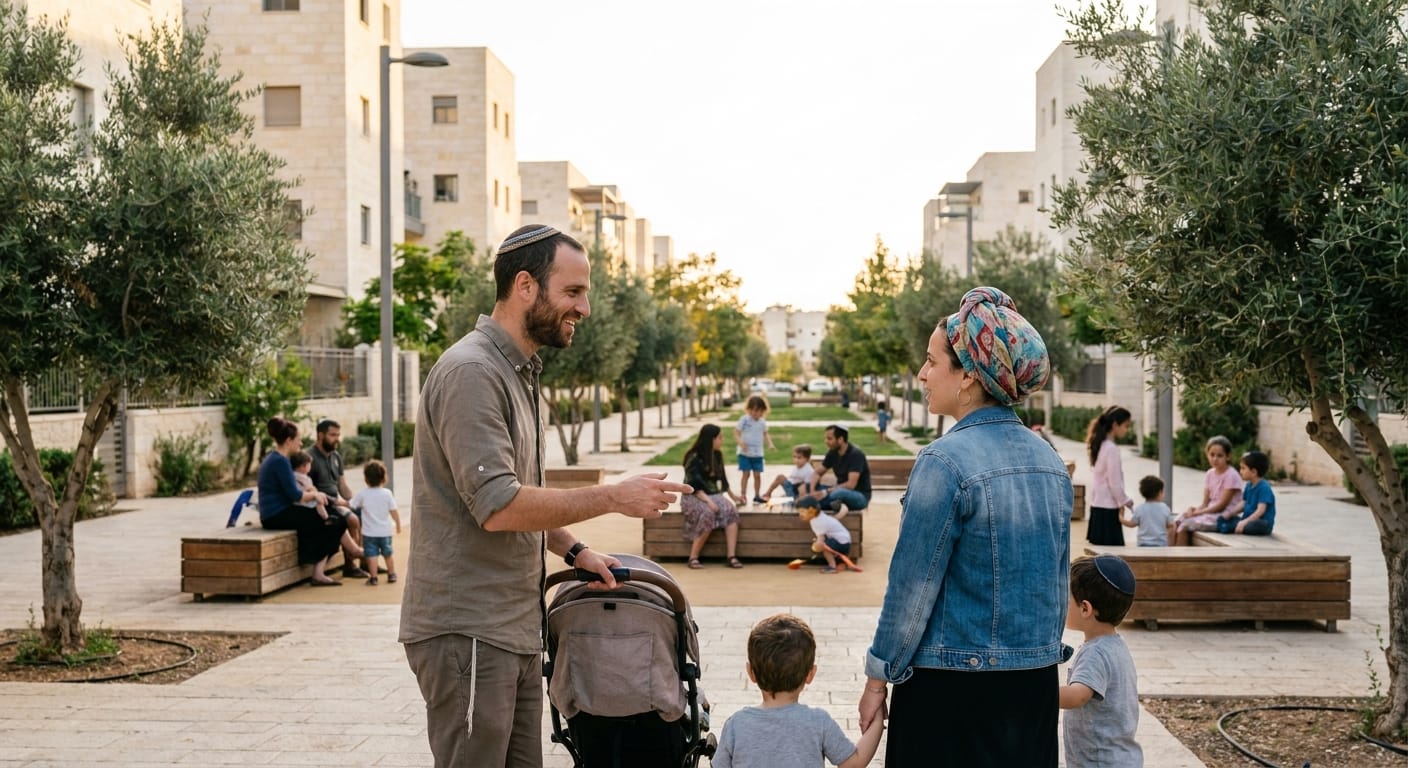
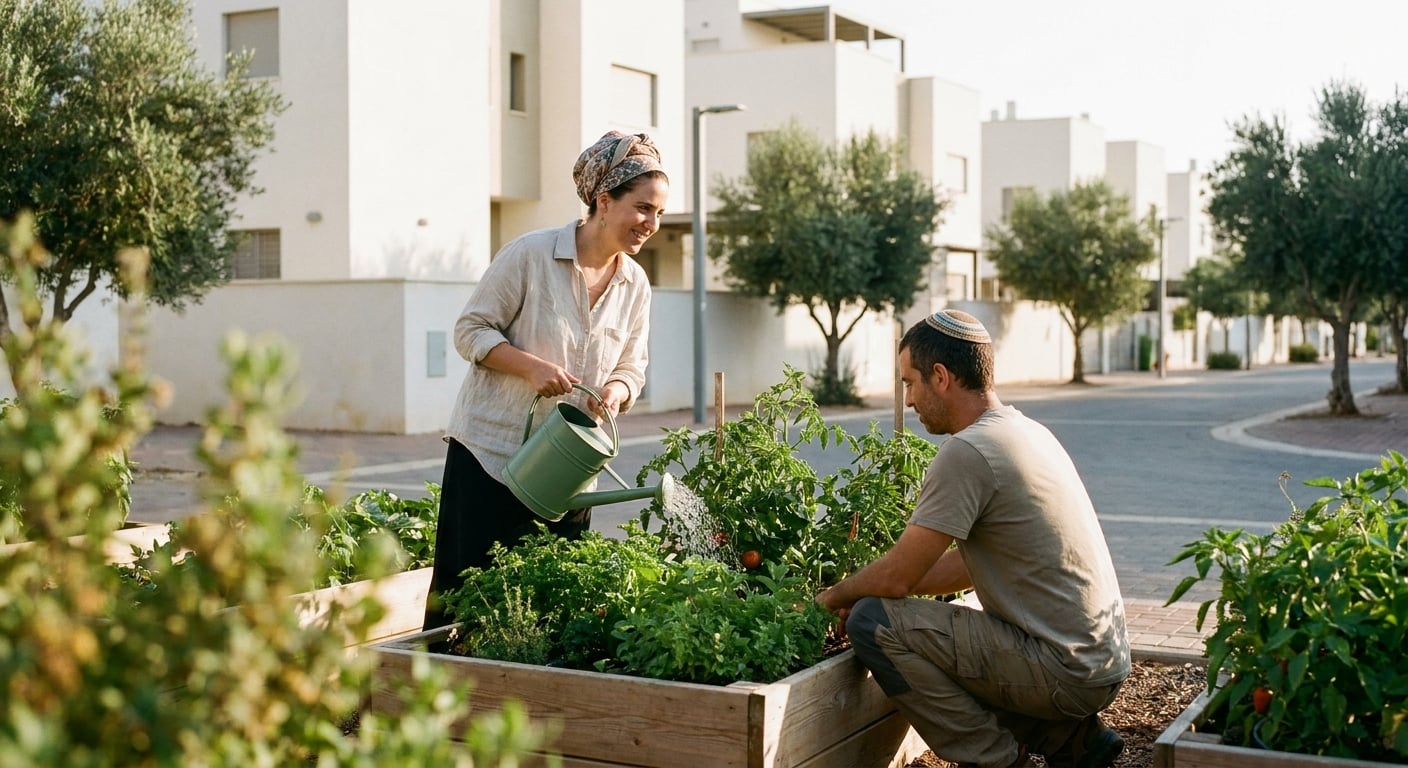
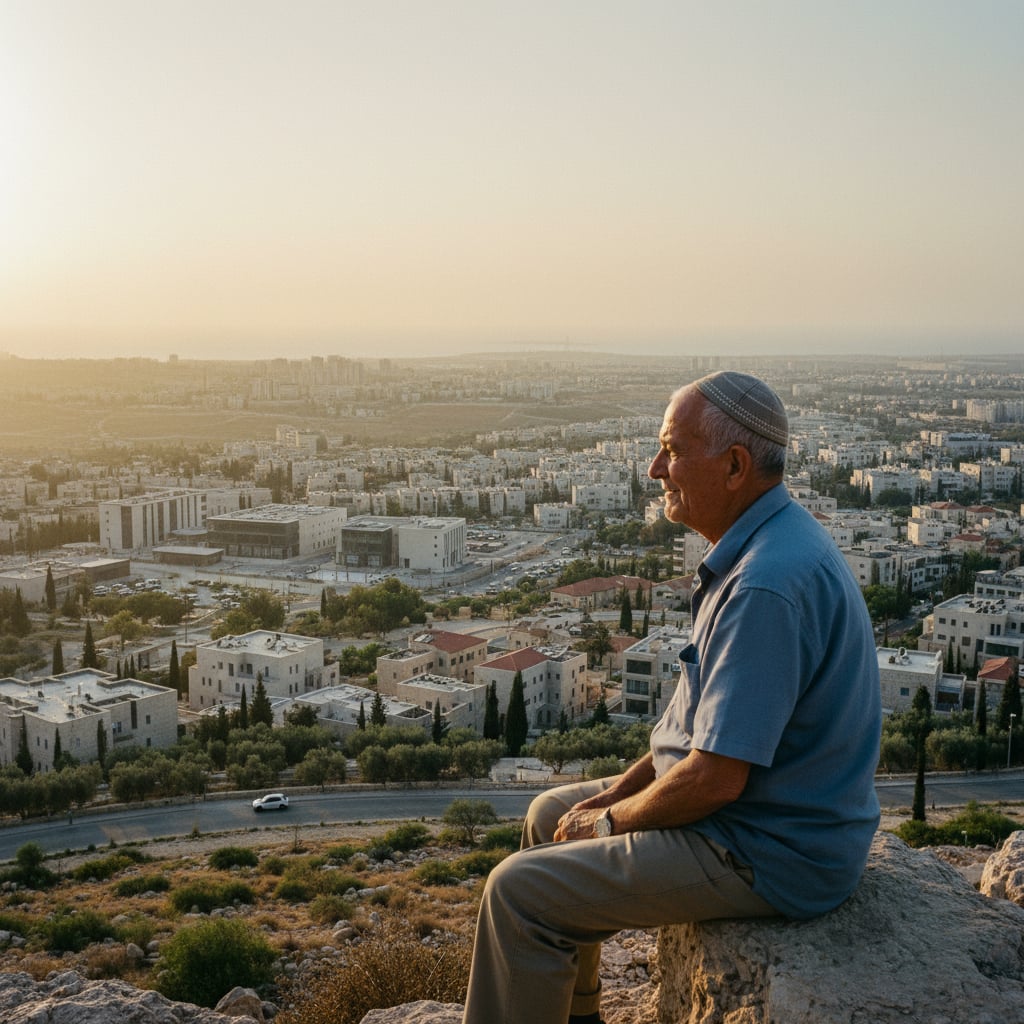
The community is predominantly religious, with a significant portion of the population adhering to Orthodox Judaism. Kiryat Arba is home to approximately 7,500 residents, comprising around 3,725 males and 3,774 females. The age distribution includes about 2,638 individuals aged 0-14 years, 4,167 aged 15-64 years, and 693 aged 65 and above. This demographic composition reflects a family-oriented lifestyle with a focus on religious education and community activities.
REAL ESTATE MARKET OVERVIEW
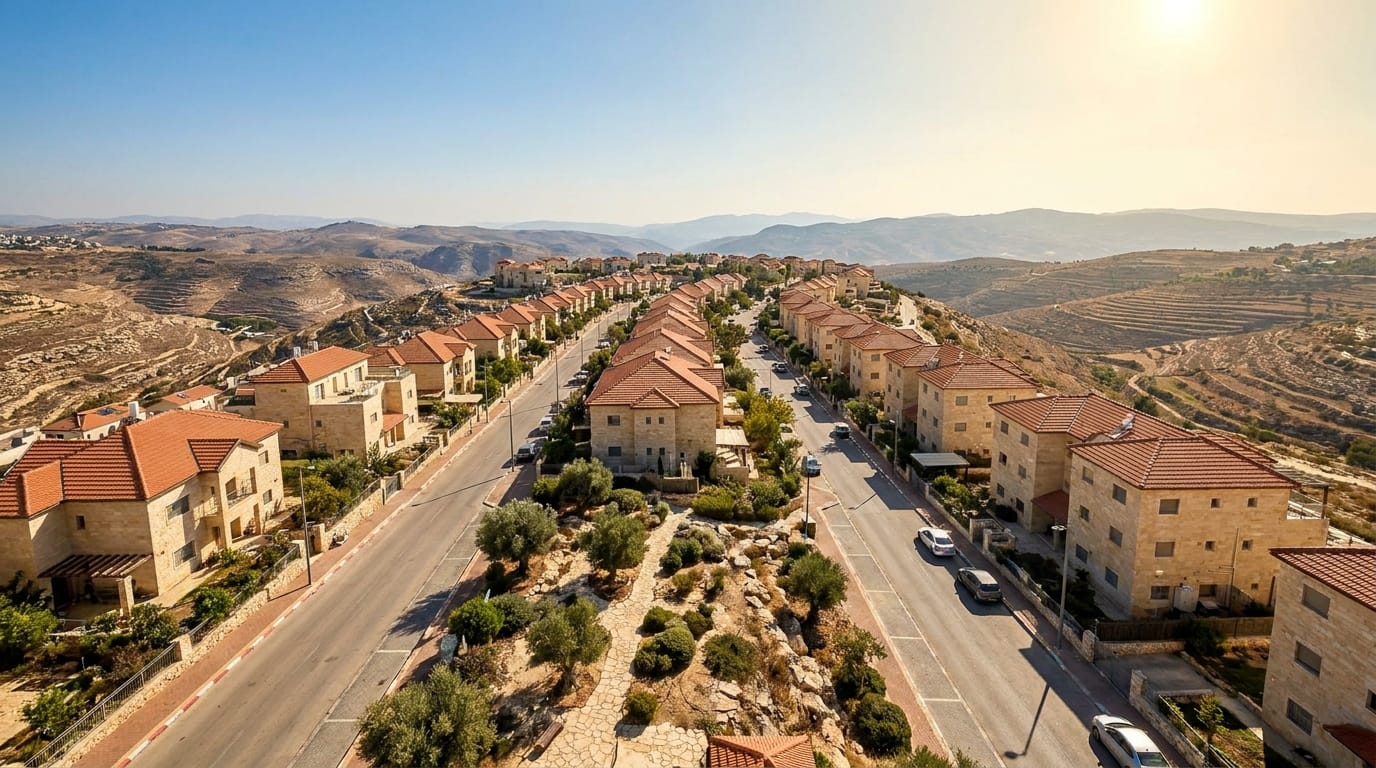
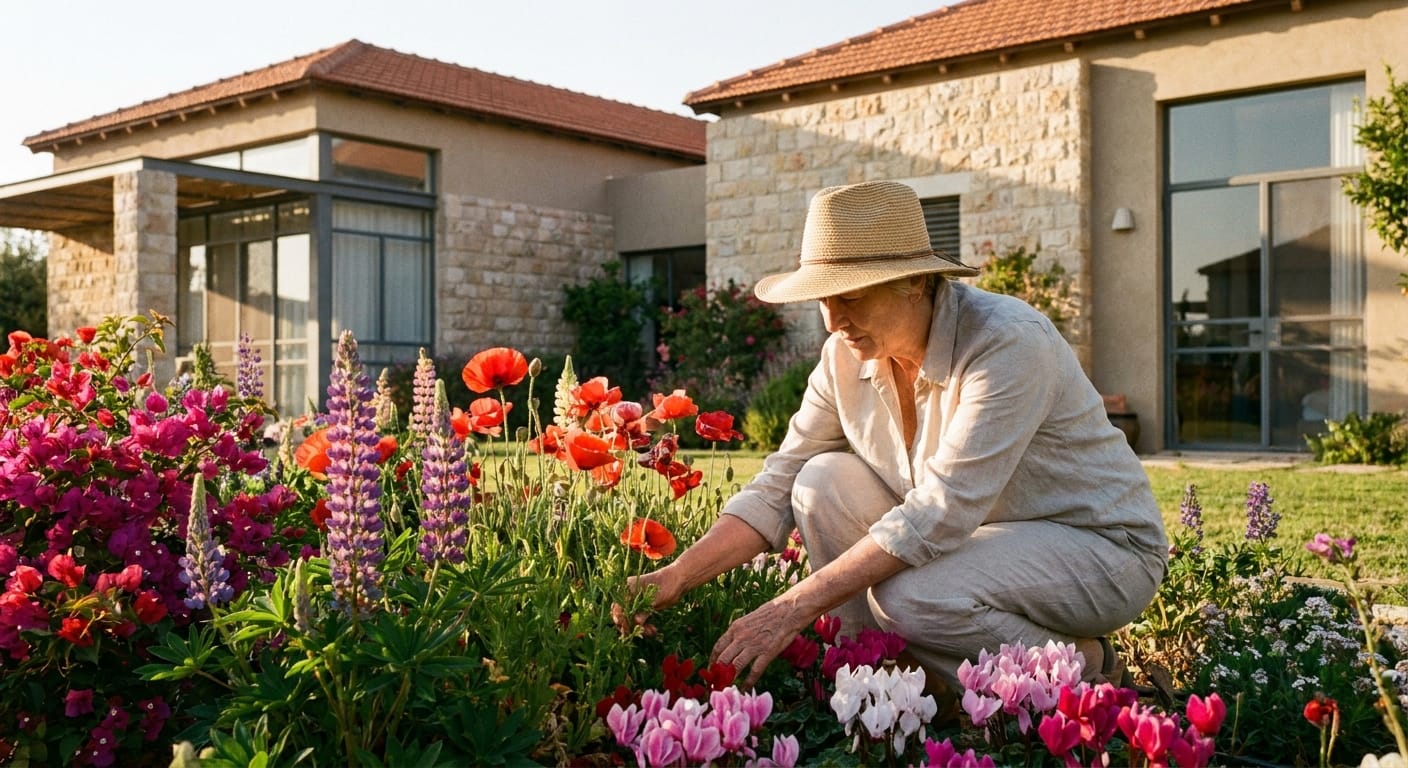
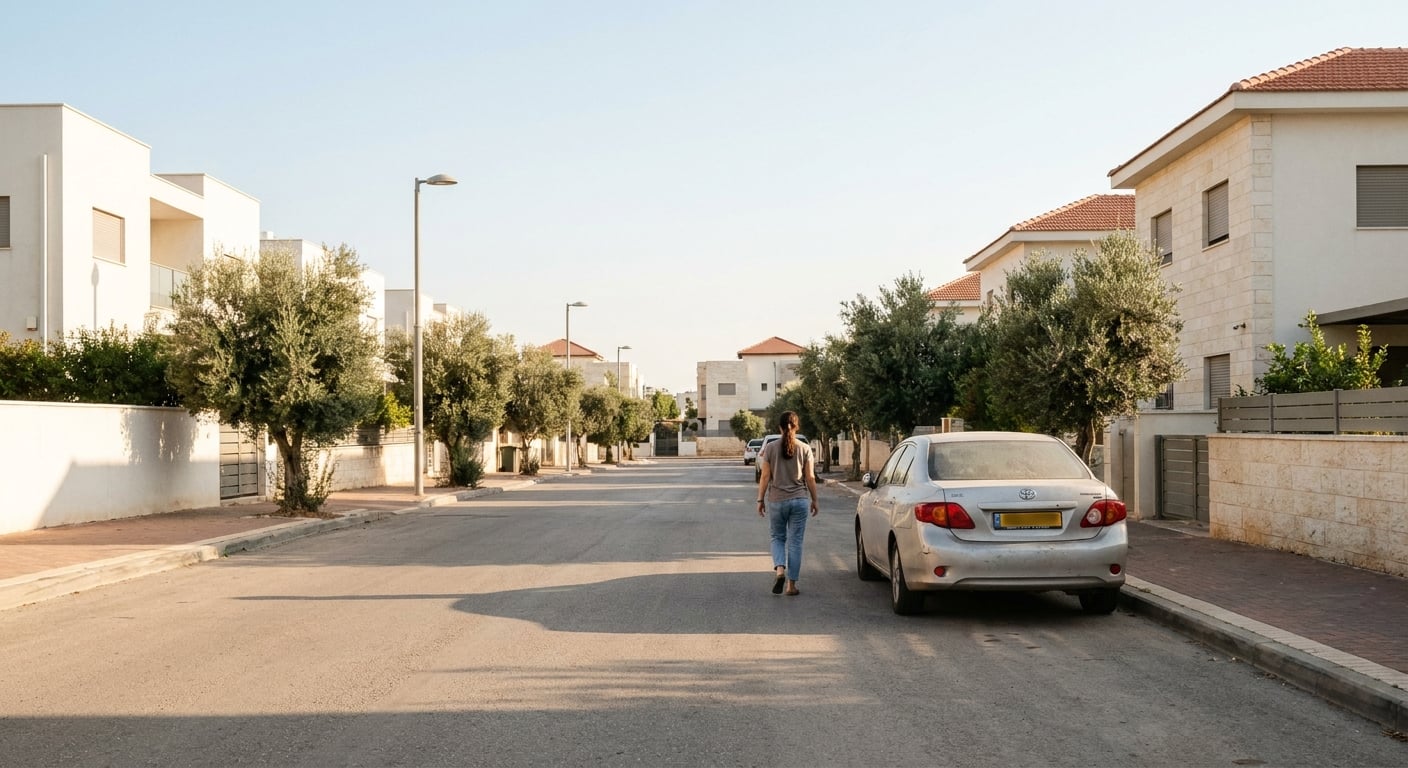
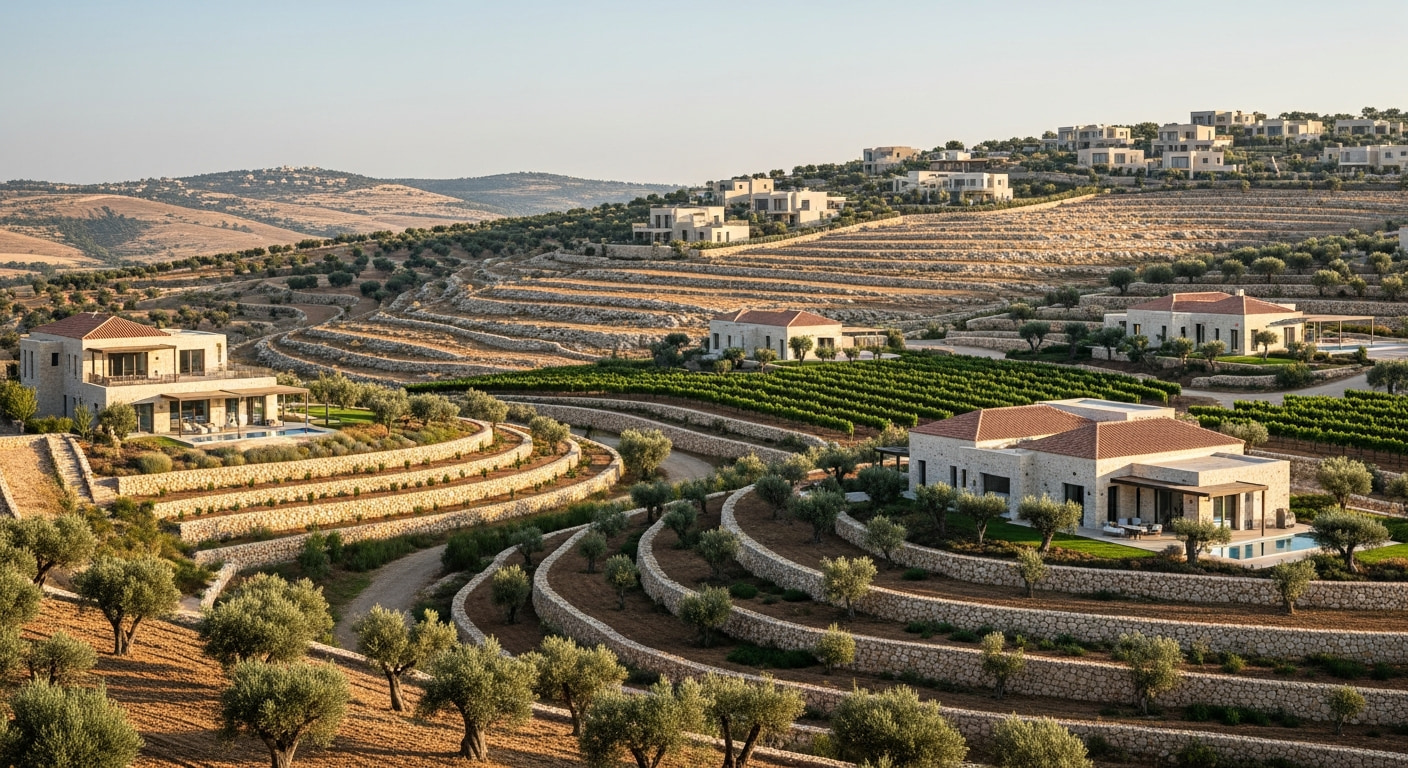
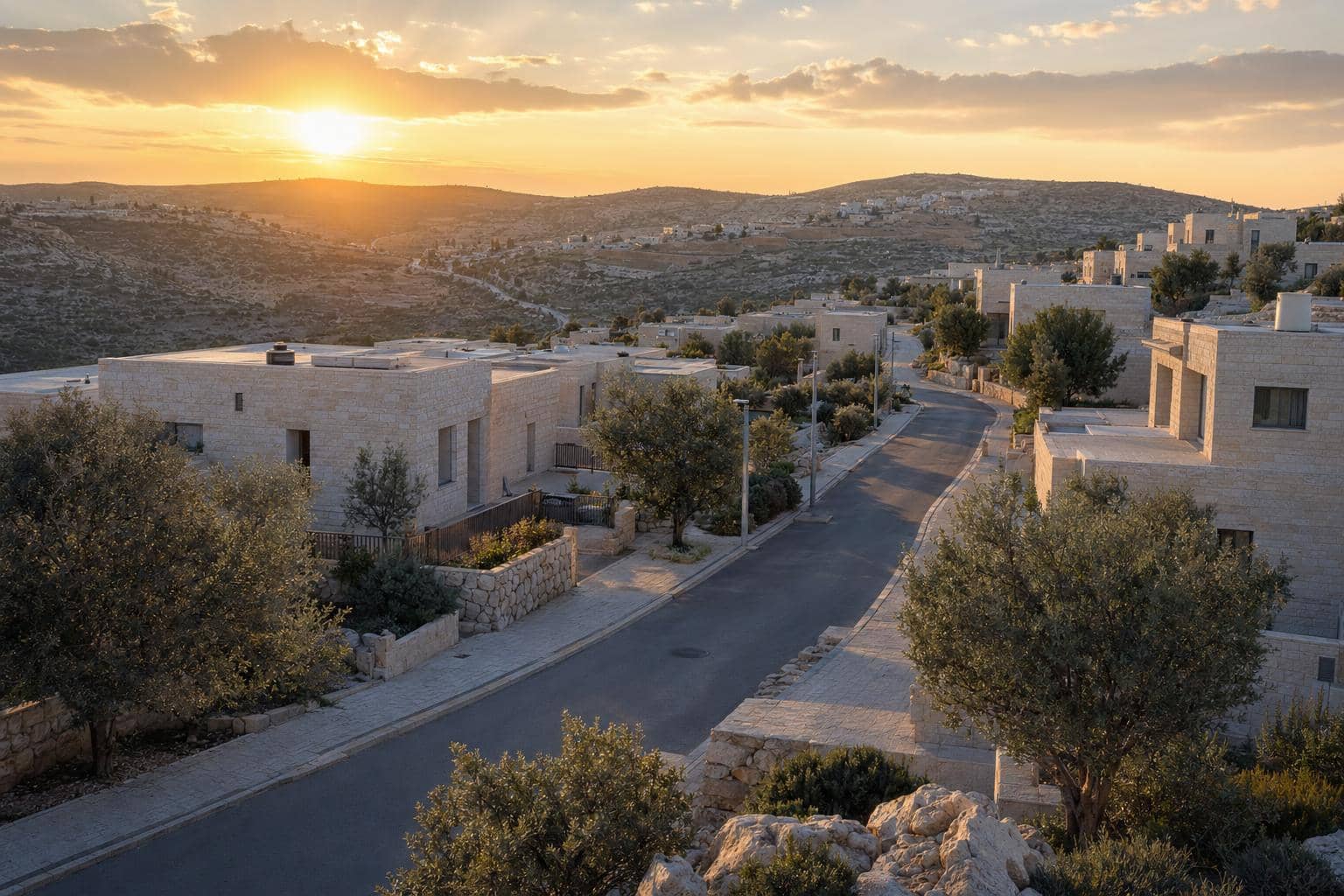
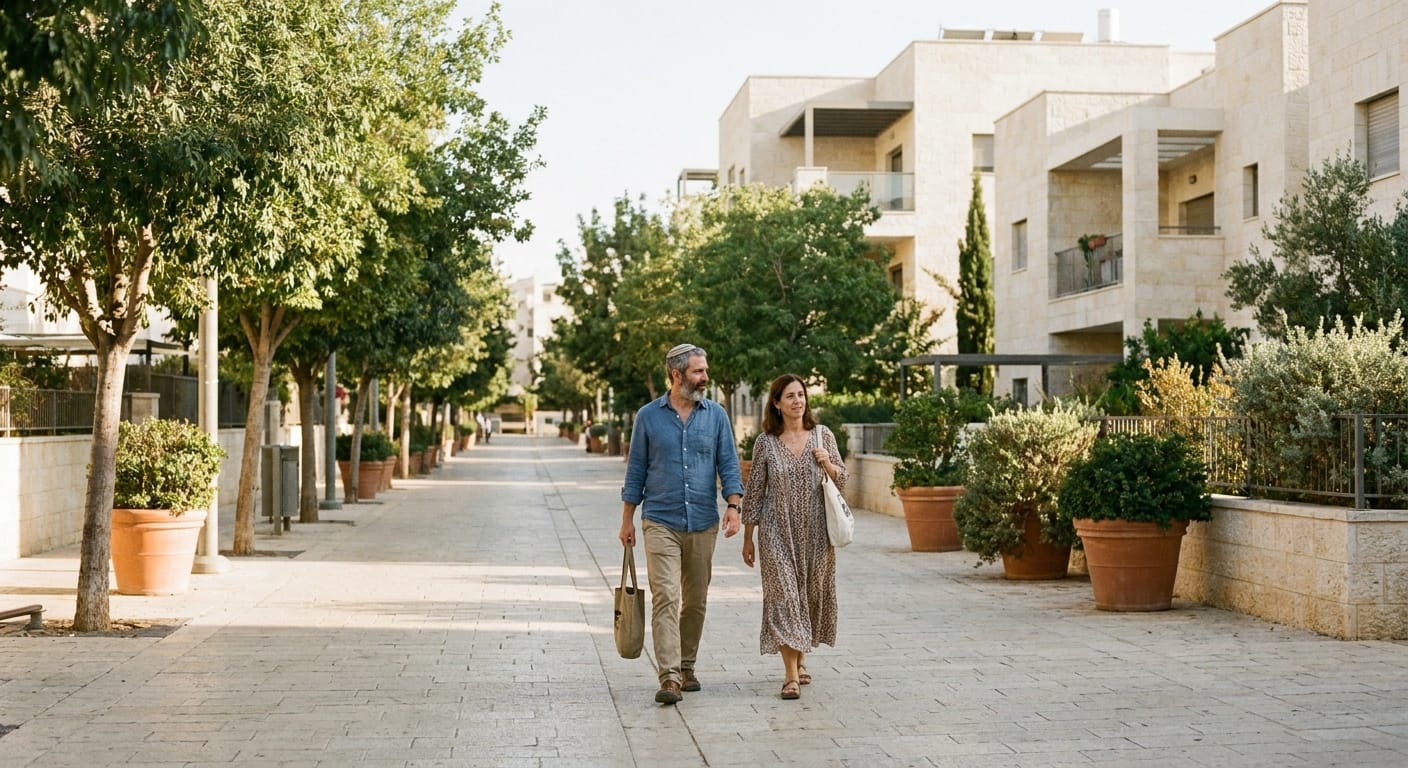
Kiryat Arba's housing stock primarily consists of single-family homes, many of which are semi-detached, reflecting the settlement's development over the past several decades. Properties often feature spacious plots, with some homes situated on lots exceeding 400 square meters. The architectural style is predominantly traditional, with many residences having undergone renovations to modernize interiors while maintaining their original exteriors.
The real estate market in Kiryat Arba is characterized by a steady demand, driven by families seeking a religious and community-oriented lifestyle. Property prices are generally more affordable compared to major urban centers, offering larger living spaces at competitive rates. Buyers are typically families and individuals looking for a close-knit community with strong educational and religious institutions. The market exhibits moderate liquidity, with properties remaining on the market for reasonable periods before sale.
NEIGHBORHOOD BREAKDOWN
Kiryat Arba is organized into distinct residential areas, each with its own unique character. The settlement's layout includes neighborhoods that cater to various preferences, from those seeking proximity to educational institutions to others desiring quieter, more secluded environments.
- Ramat Mamre: A residential area known for its semi-detached homes and proximity to the Tomb of the Patriarchs.
- Nahal Eshkol: Features a mix of housing options and is home to local businesses and services.
- Emek Hevron: A neighborhood offering a range of housing styles, including renovated properties with modern amenities.
NEW CONSTRUCTION PROJECTS
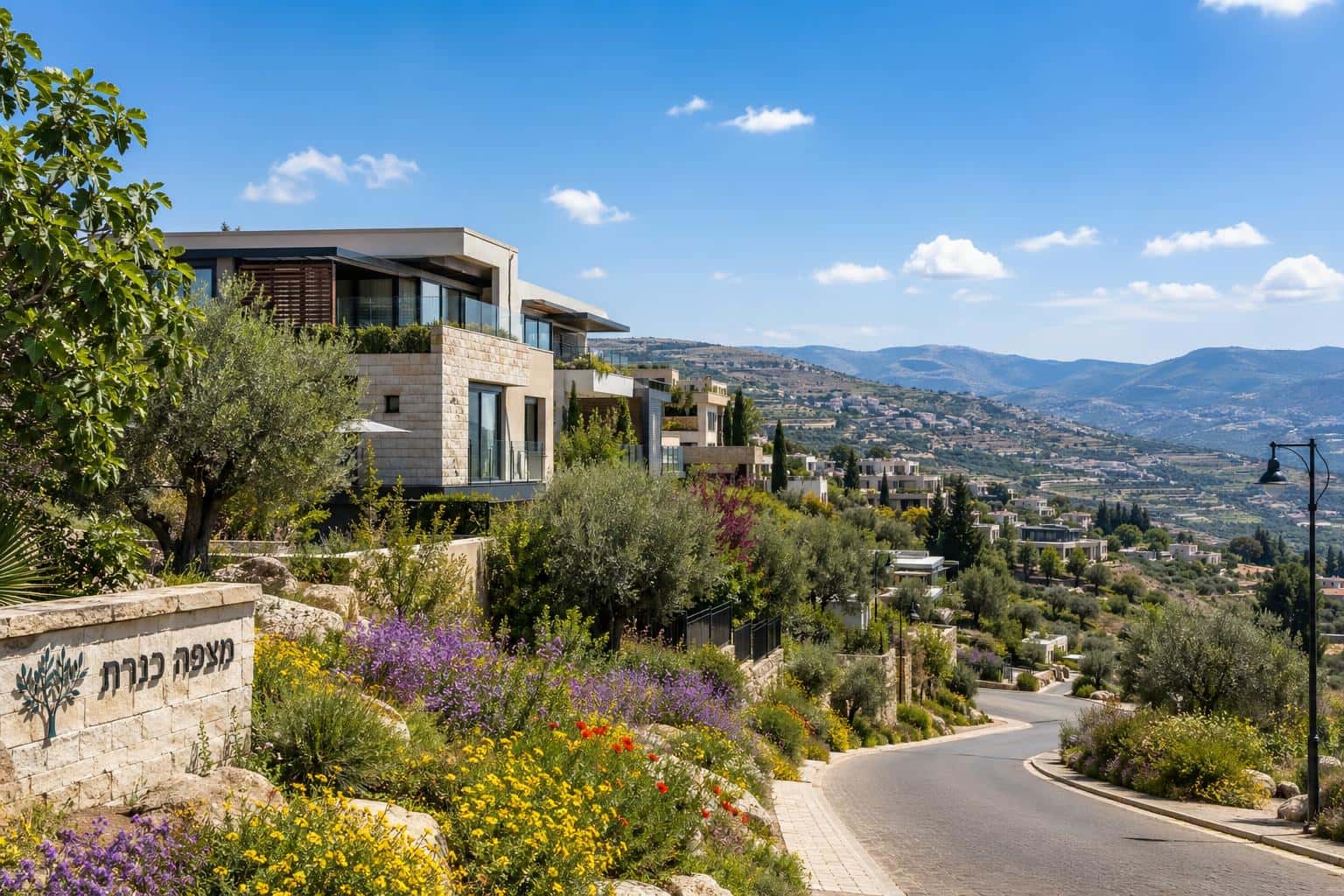
Kiryat Arba has recently expanded with the establishment of new neighborhoods, including one inaugurated in November 2025 on the site where Nati Ozeri was murdered. This development saw ten families moving into their new homes, contributing to the settlement's growth. Additionally, the Nofei Mamre neighborhood has been authorized to add 56 housing units, further accommodating the increasing demand for residential space.
TRANSPORTATION & ACCESSIBILITY
Transportation options in Kiryat Arba include bus routes operated by Electra Afikim Transport, such as lines 254 and 381, connecting the settlement to Jerusalem and Be'er Sheva. The journey to Jerusalem by car typically takes about 30 minutes, providing residents with convenient access to the regional hub for employment, education, and cultural activities.
WHY NEW IMMIGRANTS CHOOSE KIRYAT ARBA
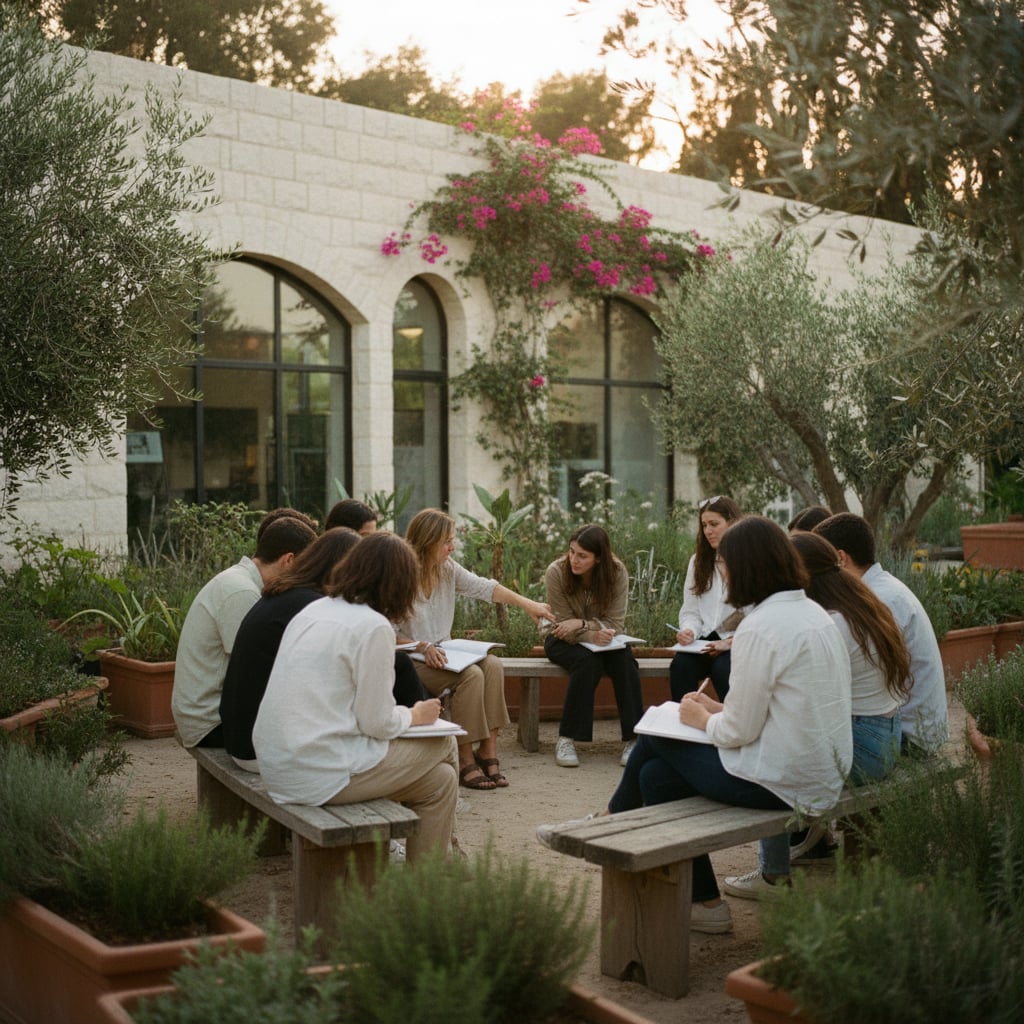
New immigrants, or olim, are drawn to Kiryat Arba for its strong religious community, which offers a supportive environment for those seeking to deepen their connection to Orthodox Judaism. The settlement provides comprehensive educational facilities, from pre-nursery through post-secondary institutions, catering to families with children. Additionally, its proximity to Hebron and historical sites holds significant appeal for those interested in residing near places of biblical importance.
- Strong Orthodox Jewish community
- Comprehensive religious educational institutions
- Proximity to Hebron and biblical sites
- Family-oriented environment
- Established community infrastructure