CITY HISTORY & DEVELOPMENT
Beit Dagan was established in 1948 on the site of the former Palestinian village of Bayt Dajan by Jewish immigrants from Yemen and North Africa. The name 'Beit Dagan' translates to 'House of Grain,' reflecting the area's agricultural heritage. In 1958, it was granted local council status. Over the decades, Beit Dagan has evolved from a small settlement into a suburban community within the Tel Aviv District.
DEMOGRAPHICS & FAMILY LIFESTYLE
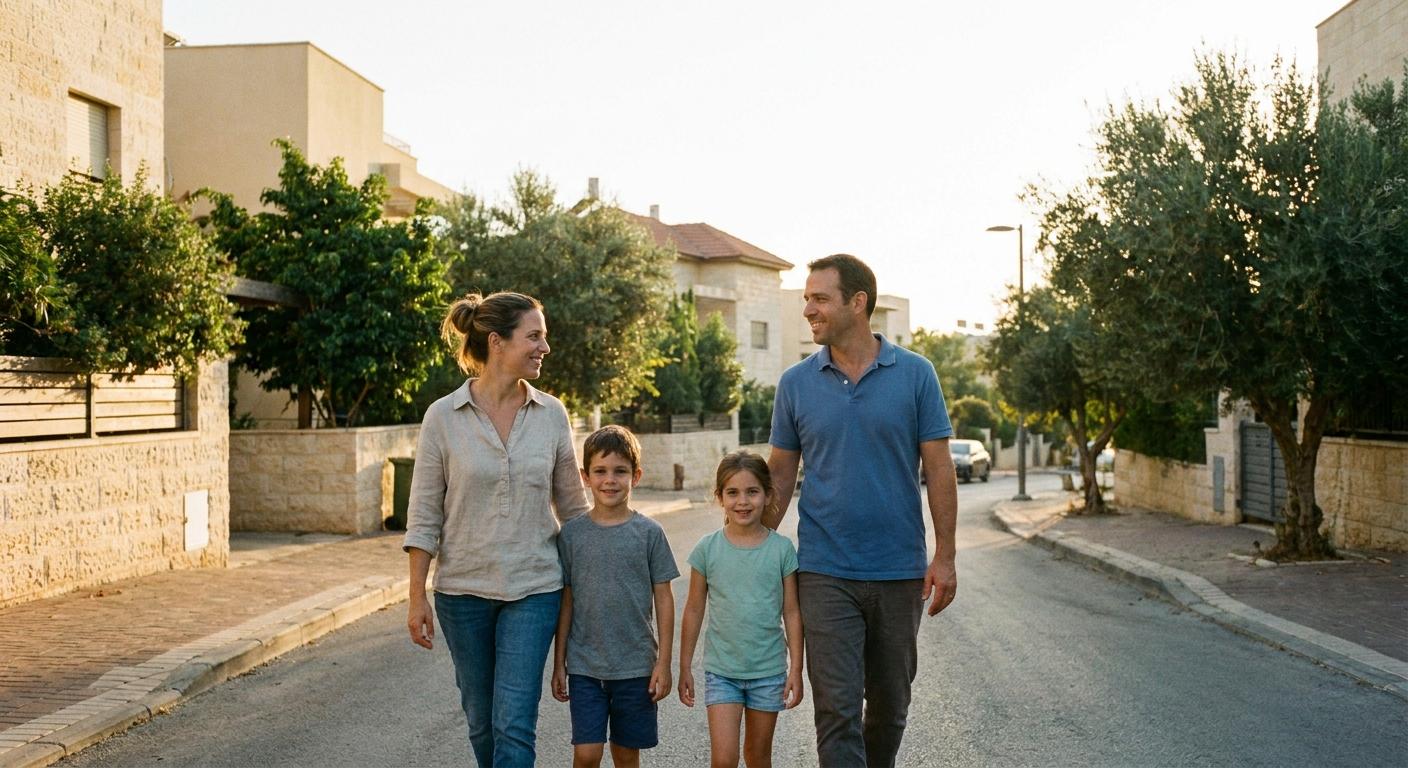
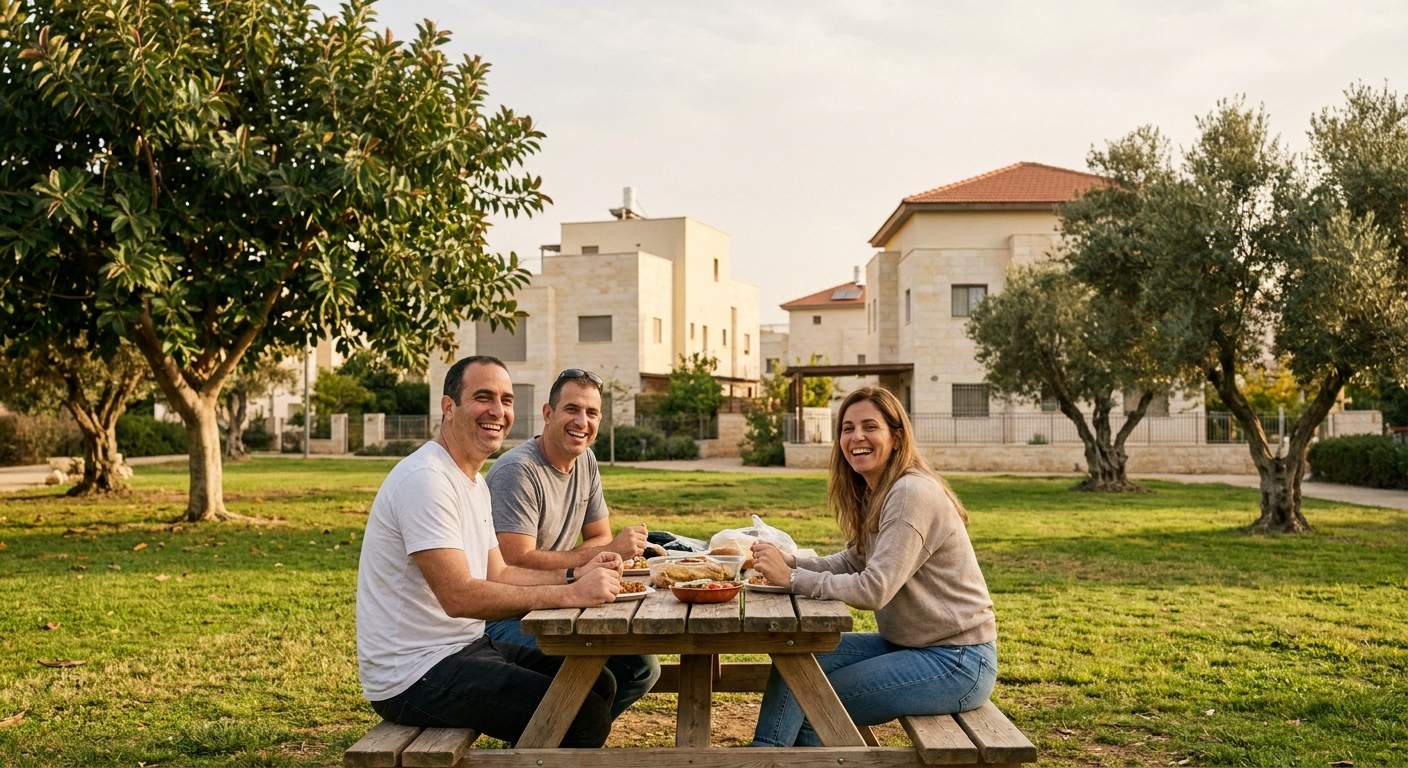
Beit Dagan's population was approximately 7,644 residents, with a nearly equal distribution of males and females. The community is predominantly Jewish, with a small number of Arab residents. The age distribution includes about 1,745 individuals aged 0-14 years, 4,939 aged 15-64 years, and 959 aged 65 and over. This demographic composition suggests a balanced mix of families, working-age adults, and seniors.
REAL ESTATE MARKET OVERVIEW
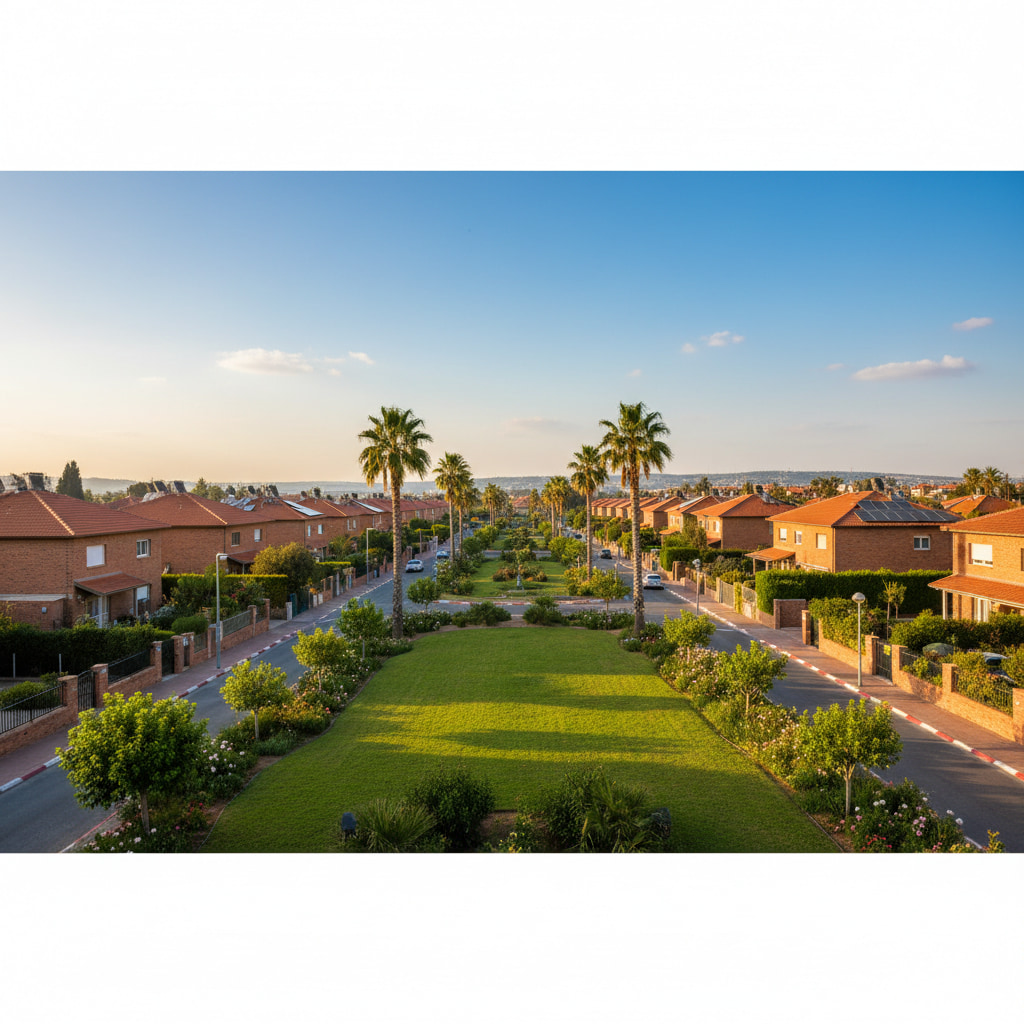
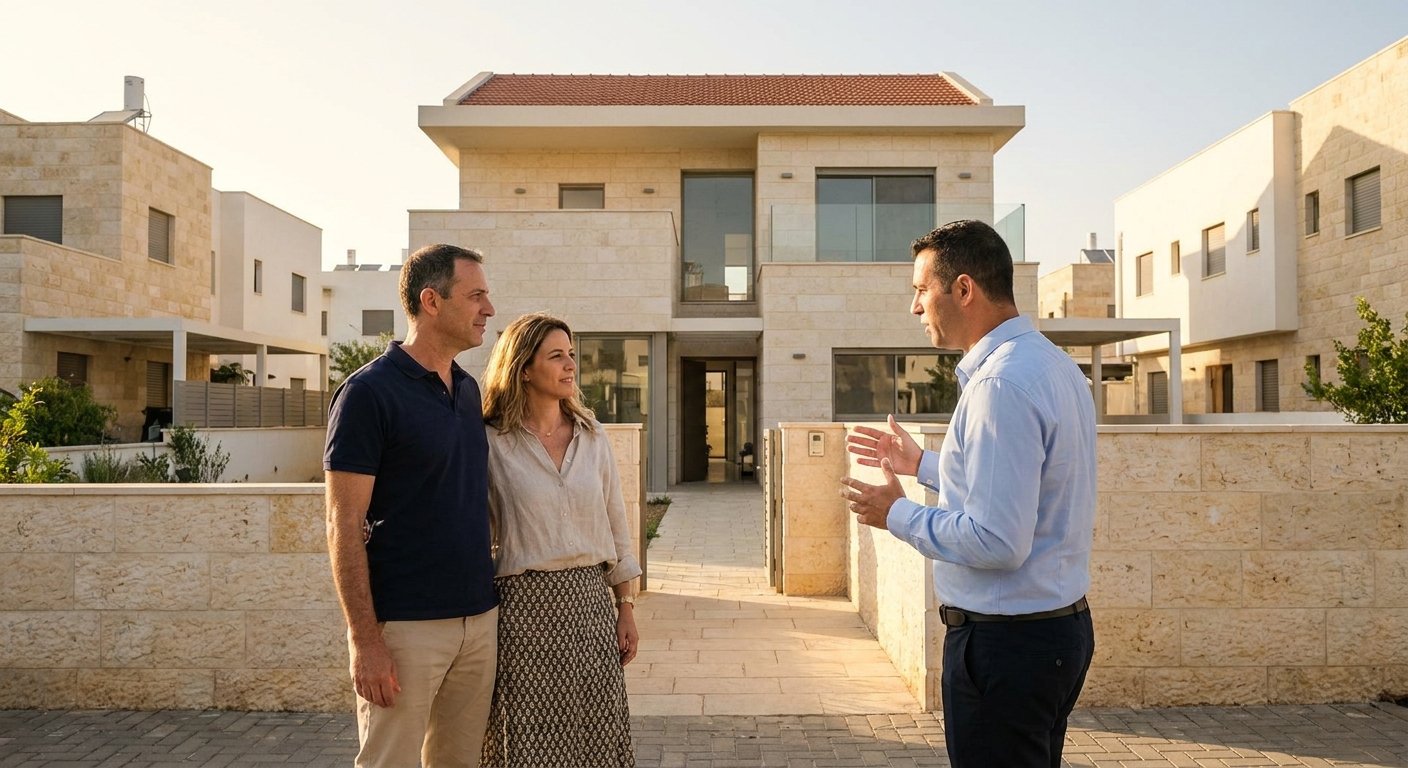
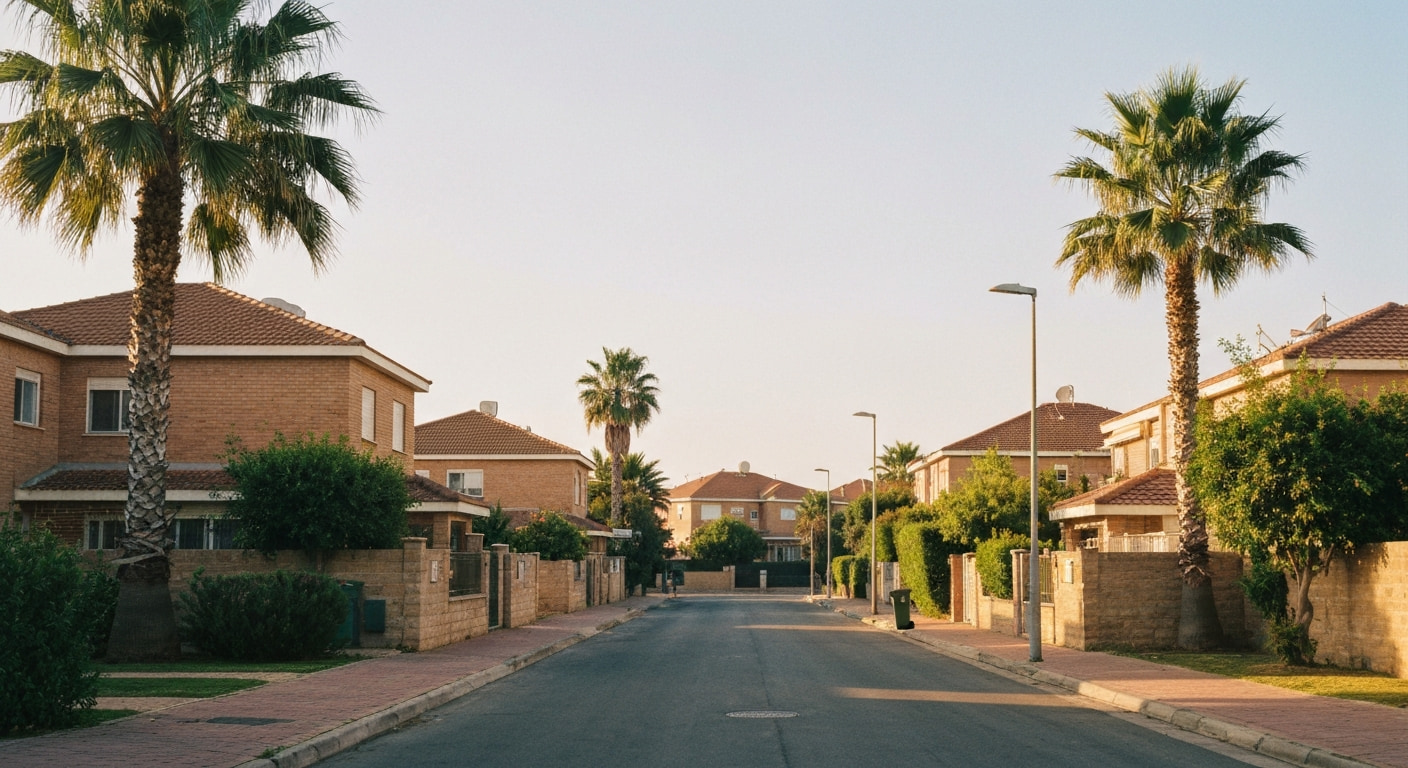
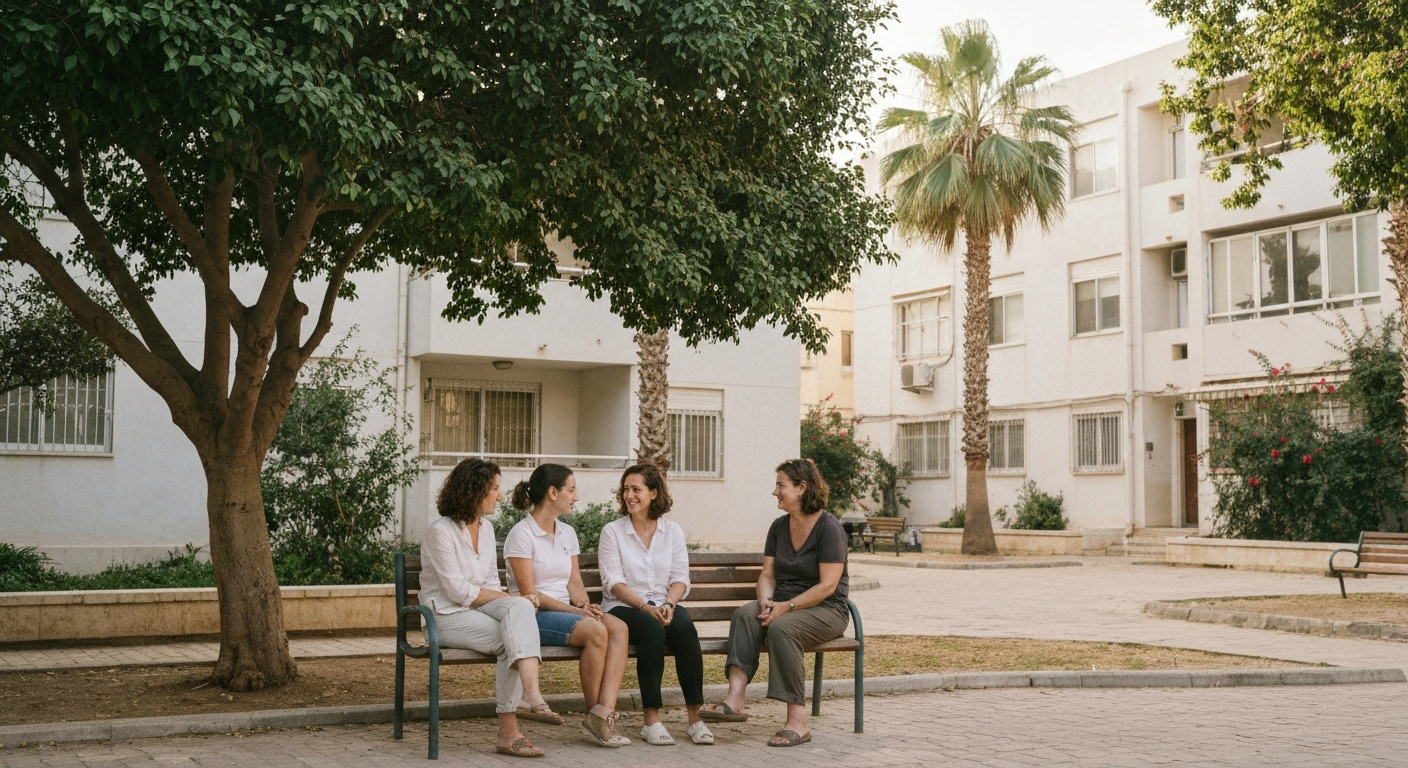
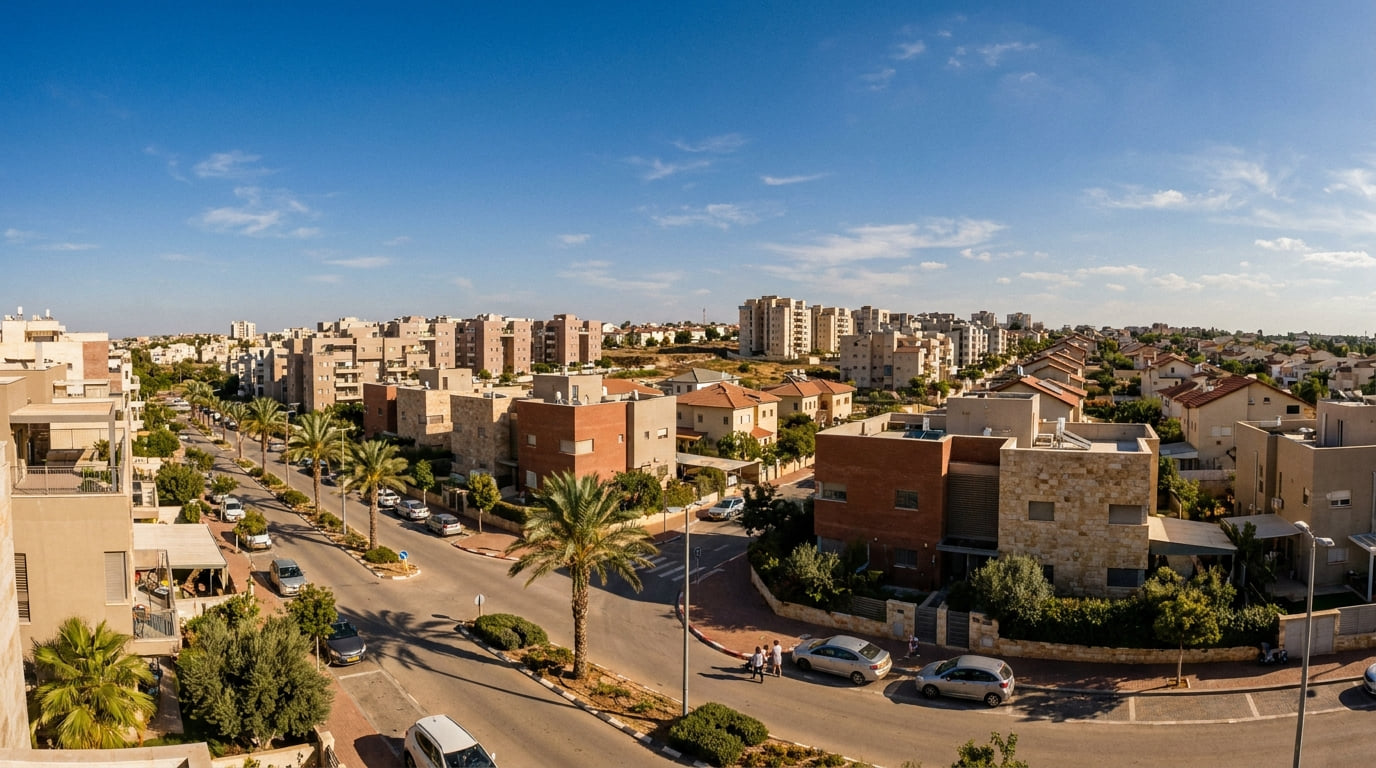
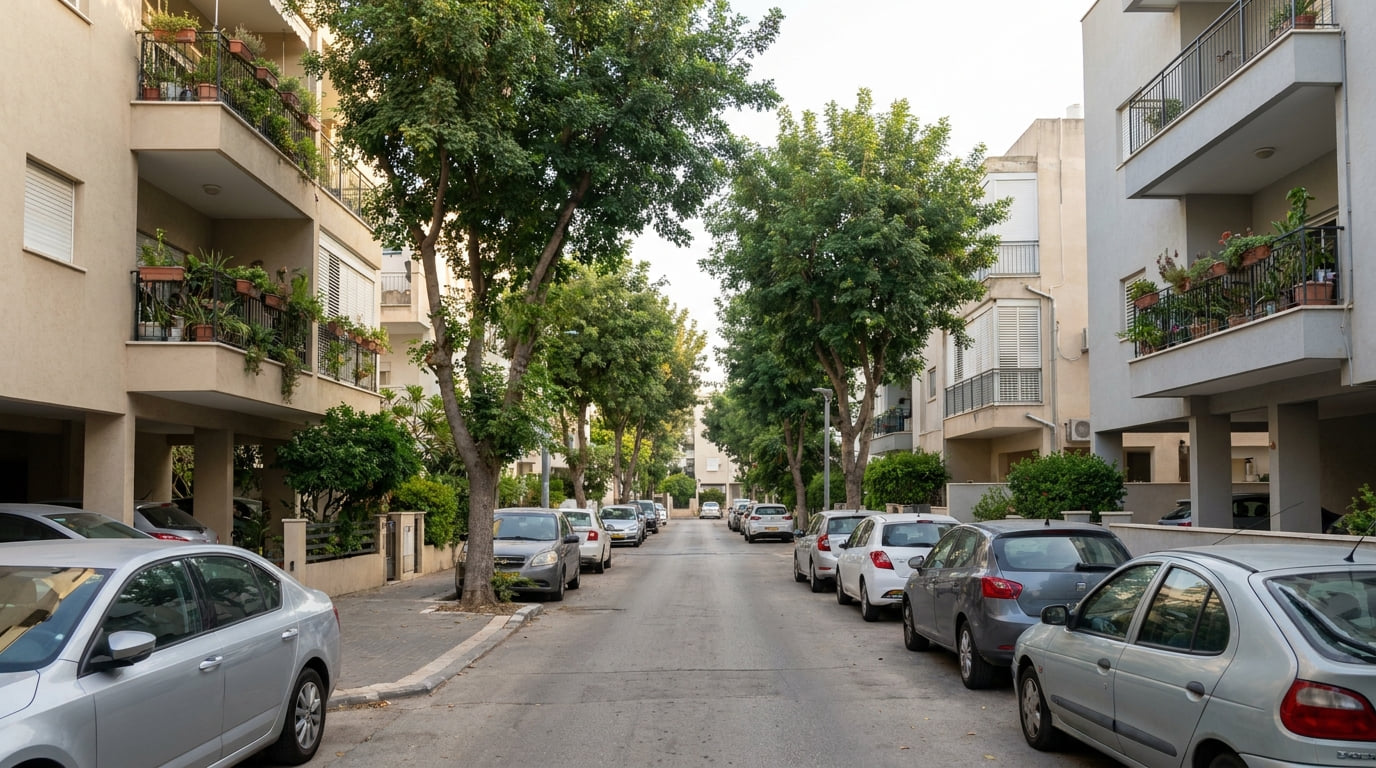
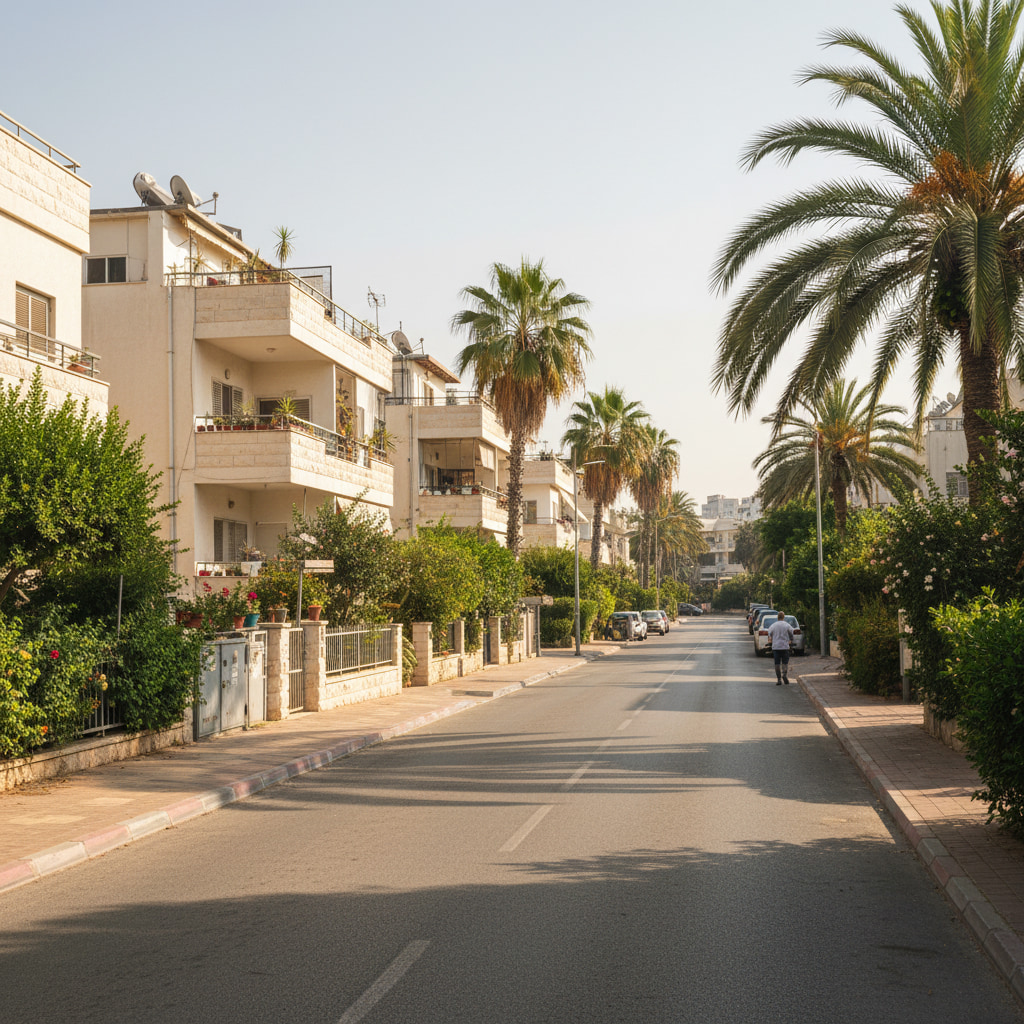
Bet Dagan's housing stock primarily consists of single-family homes and low-rise apartment buildings, reflecting its suburban character. Many residences were constructed in the mid-20th century, aligning with the settlement's establishment and subsequent growth. Properties often feature modest plot sizes, accommodating private gardens or small yards, which contribute to the community's residential appeal. The real estate market in Bet Dagan is influenced by its proximity to Tel Aviv, attracting individuals and families seeking suburban living with convenient access to urban employment centers. The market is characterized by steady demand, with property prices generally being more affordable compared to central Tel Aviv, making it an attractive option for middle-income buyers. The buyer profile includes both young families and professionals, contributing to a community. Market liquidity is moderate, with properties typically remaining on the market for a reasonable duration before sale. Bet Dagan is a compact settlement without distinct sub-areas or neighborhoods. The community's layout is fostering a close-knit atmosphere among residents. The absence of separate neighborhoods contributes to a unified community identity.
NEW CONSTRUCTION PROJECTS
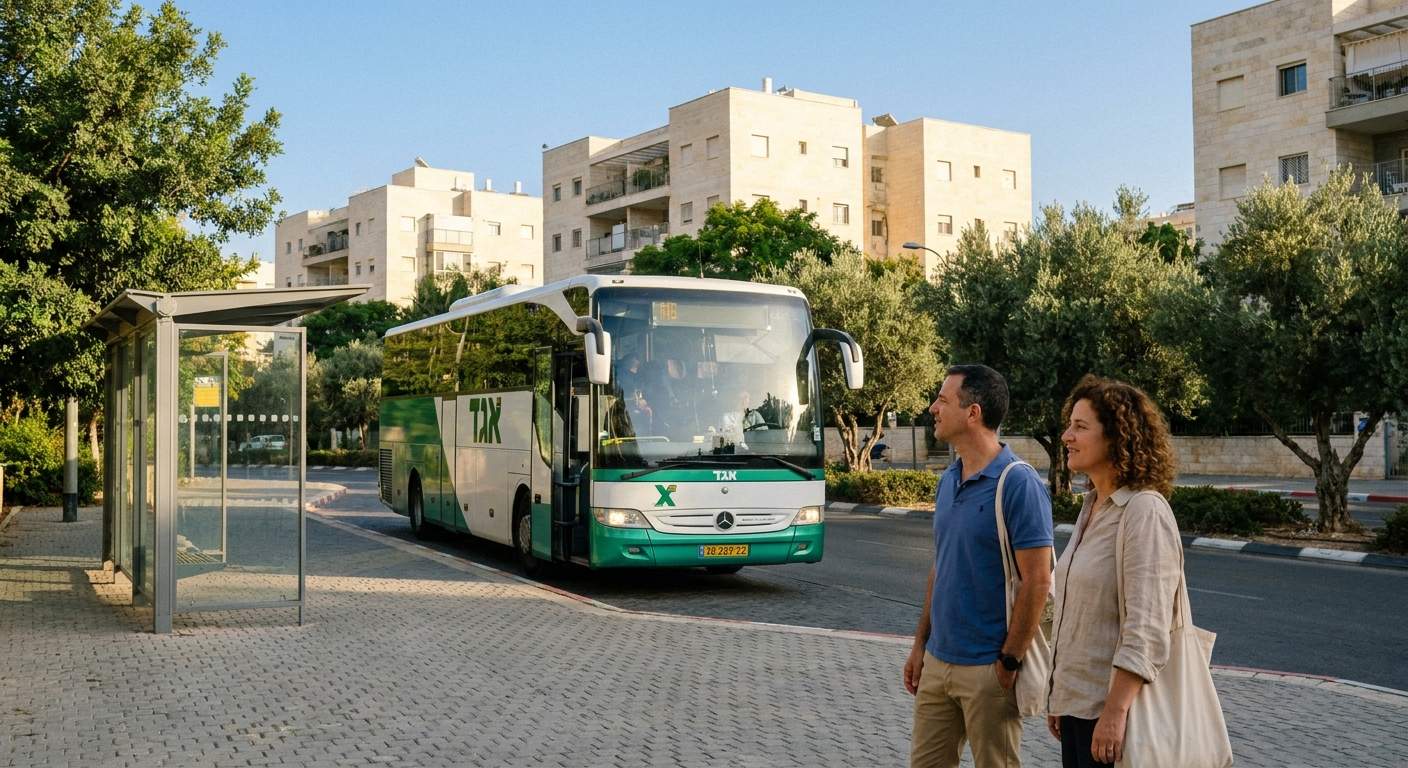
Bet Dagan continues to develop its residential landscape, with new housing projects and infrastructure enhancements underway to accommodate its growing population. These developments aim to provide modern living spaces while preserving the settlement's suburban character. The expansion includes the construction of additional residential units and the improvement of public amenities, ensuring that Bet Dagan remains an attractive option for families seeking proximity to Tel Aviv without the density of urban living. Transportation in Bet Dagan is well-integrated with the regional network, offering residents convenient access to major urban centers. The settlement is situated near the Shapirim Interchange, connecting Highway 1 and Route 412, facilitating efficient travel to Tel Aviv and other areas. Public transportation is with multiple bus lines operated by companies such as Egged and Metropoline, providing frequent services to destinations including Tel Aviv, Rishon LeZion, and Rehovot. This comprehensive transportation infrastructure supports the daily commute of residents and enhances the overall connectivity of Bet Dagan within the Tel Aviv District.
WHY NEW IMMIGRANTS CHOOSE BET DAGAN
New immigrants, or olim, are drawn to Beit Dagan for its proximity to Tel Aviv, offering access to urban amenities while maintaining a suburban atmosphere. The town's established infrastructure, including educational institutions and community services, supports family life. Additionally, Beit Dagan's historical roots and cultural heritage provide a sense of continuity and belonging for newcomers.
- Close to Tel Aviv's employment opportunities
- Suburban environment with urban access
- Established educational and community services
- Rich historical and cultural heritage
- Supportive community for new immigrants